

D.C. BALD EAGLES GALLERY
ROOM 06 · THE WATCH CONTINUES — A LIVING FIELD RECORD
What did we actually see and document?
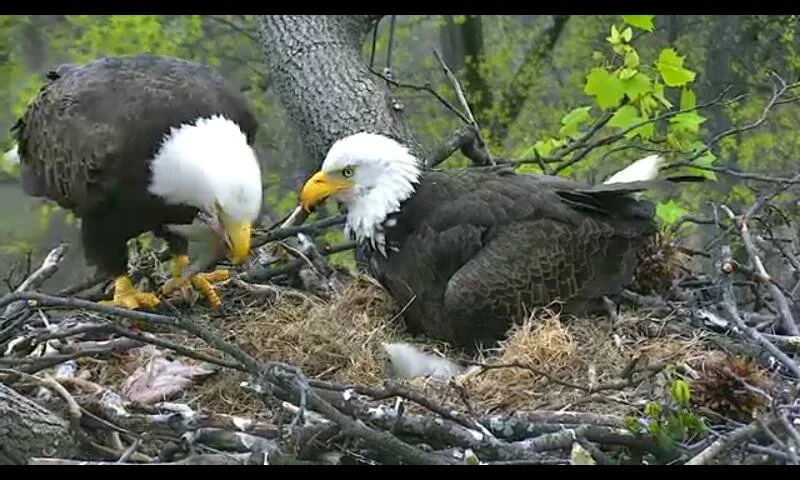
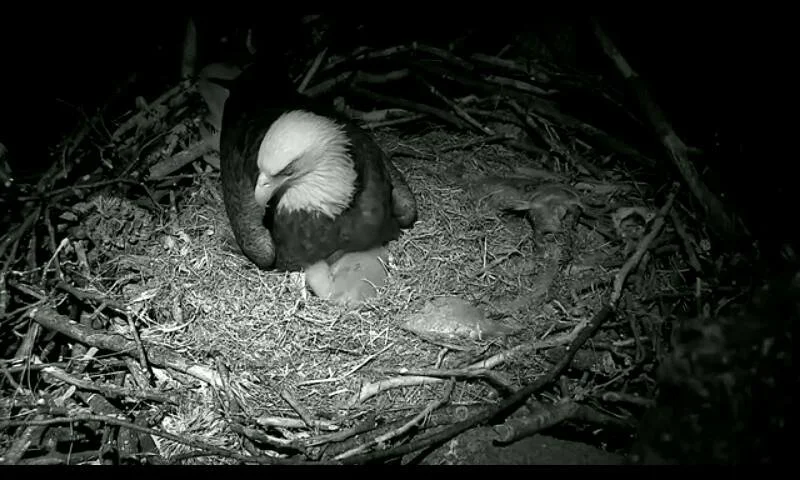
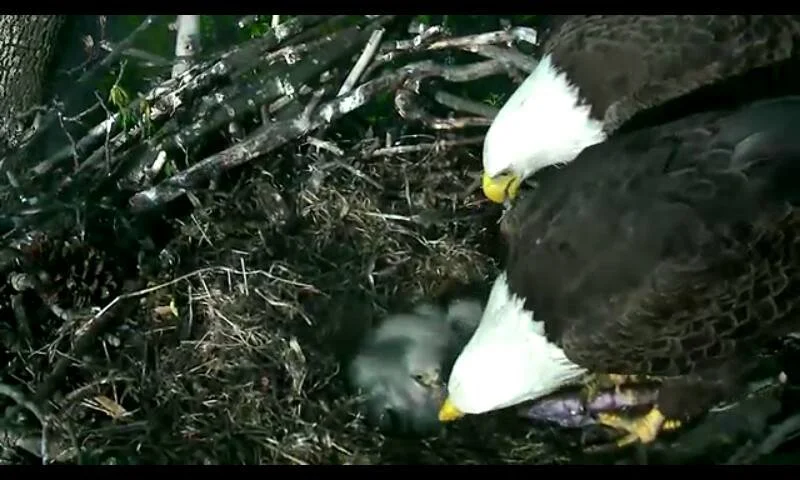
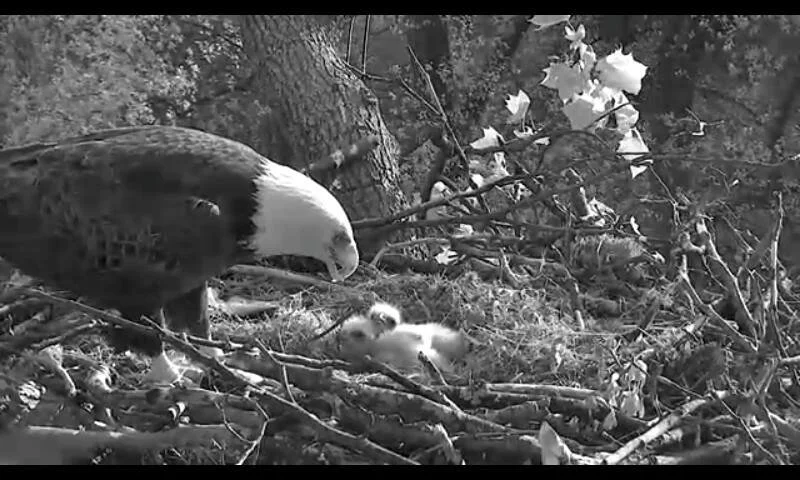
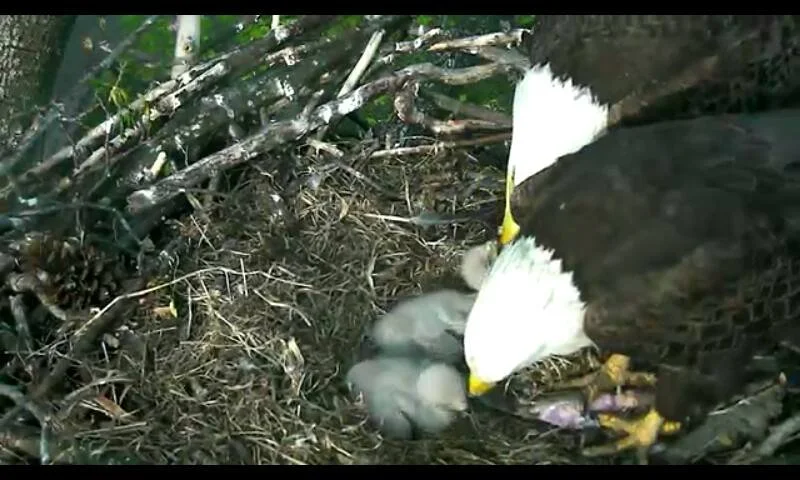
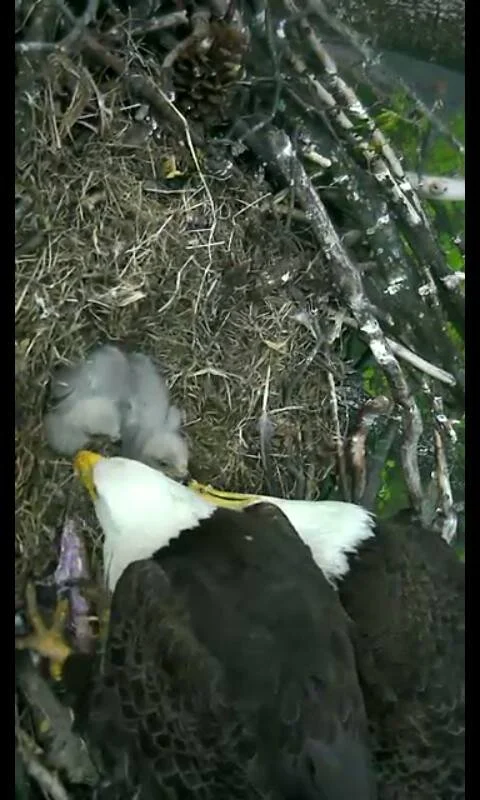
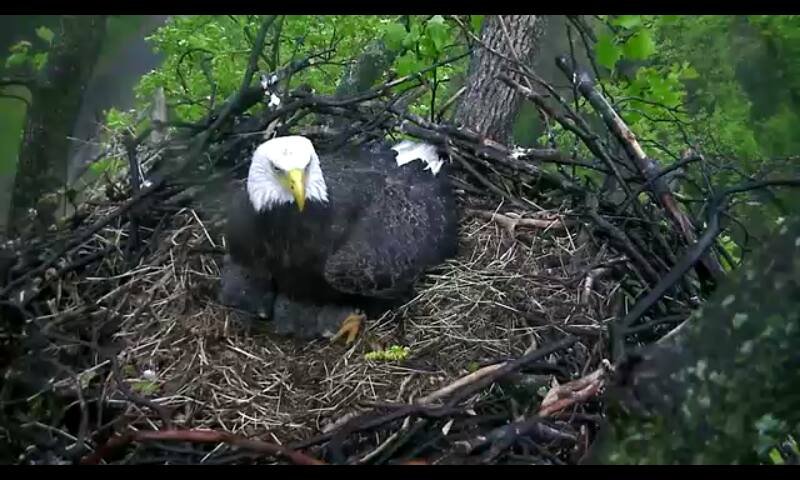
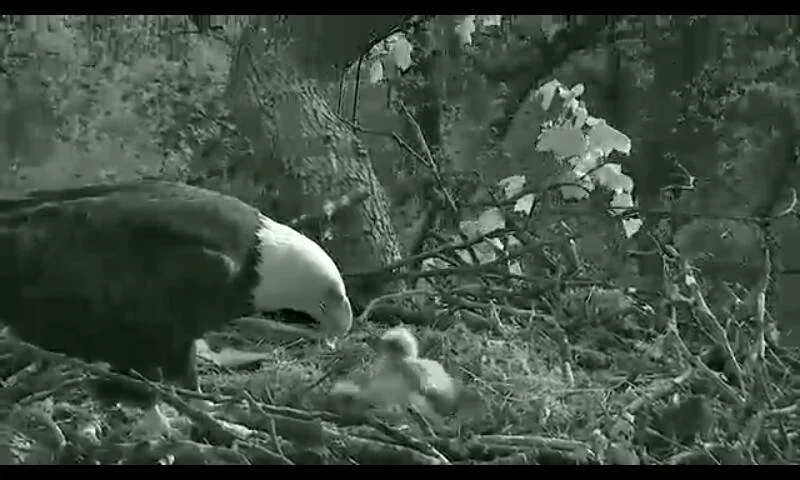
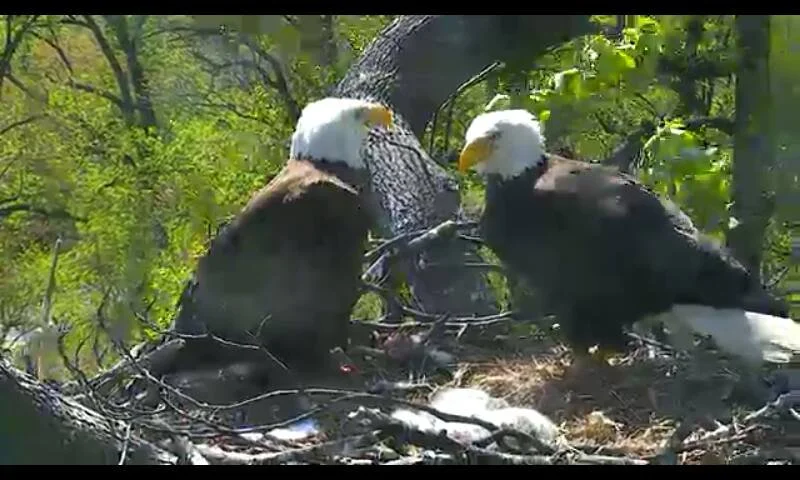
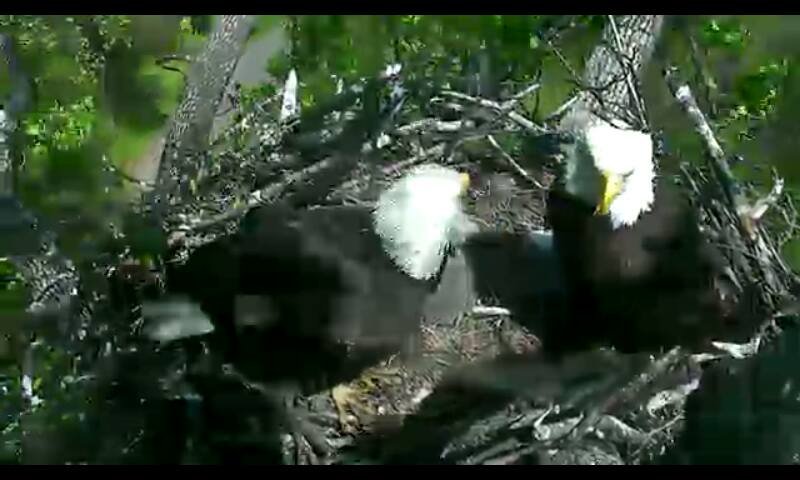
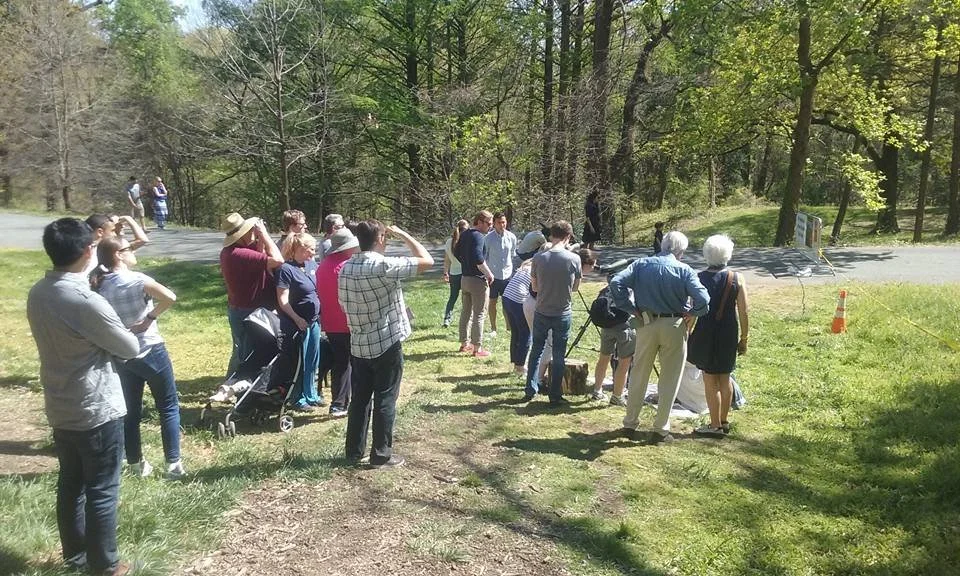
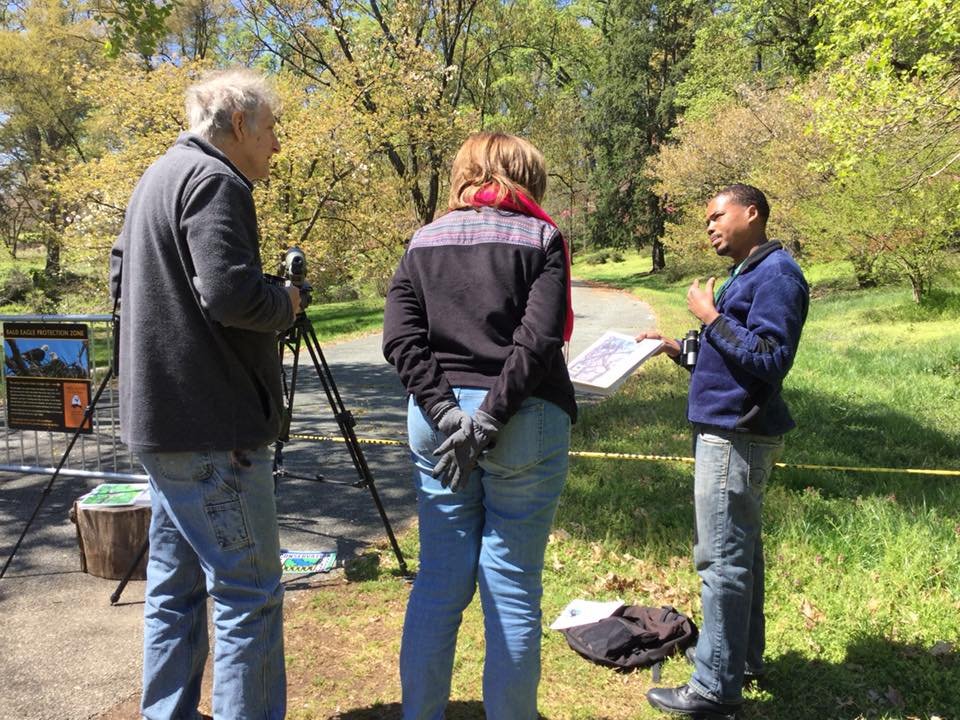
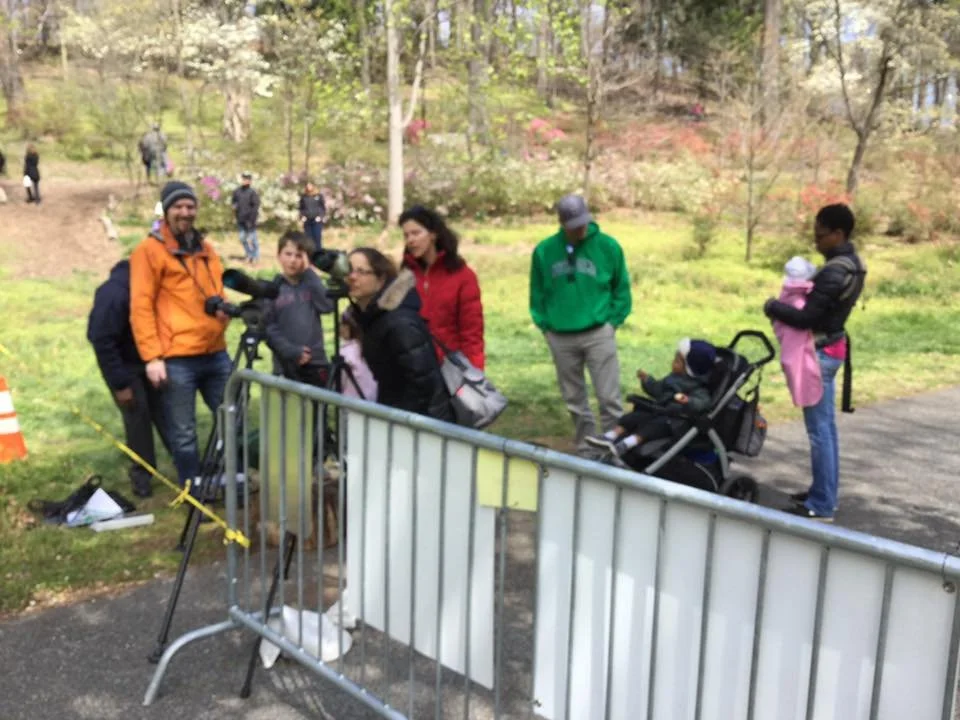
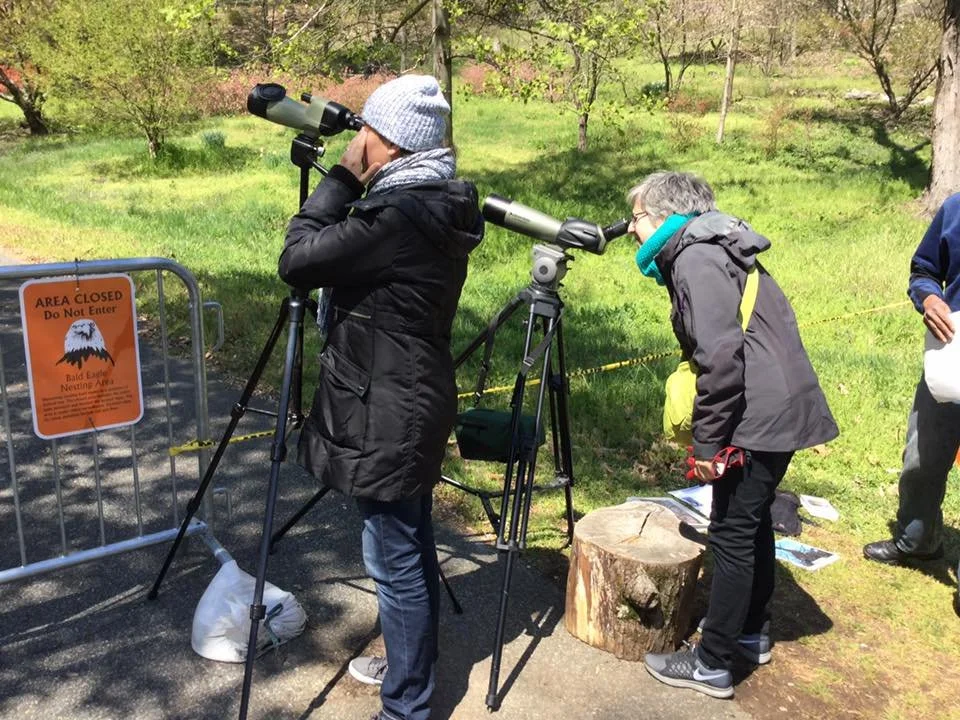
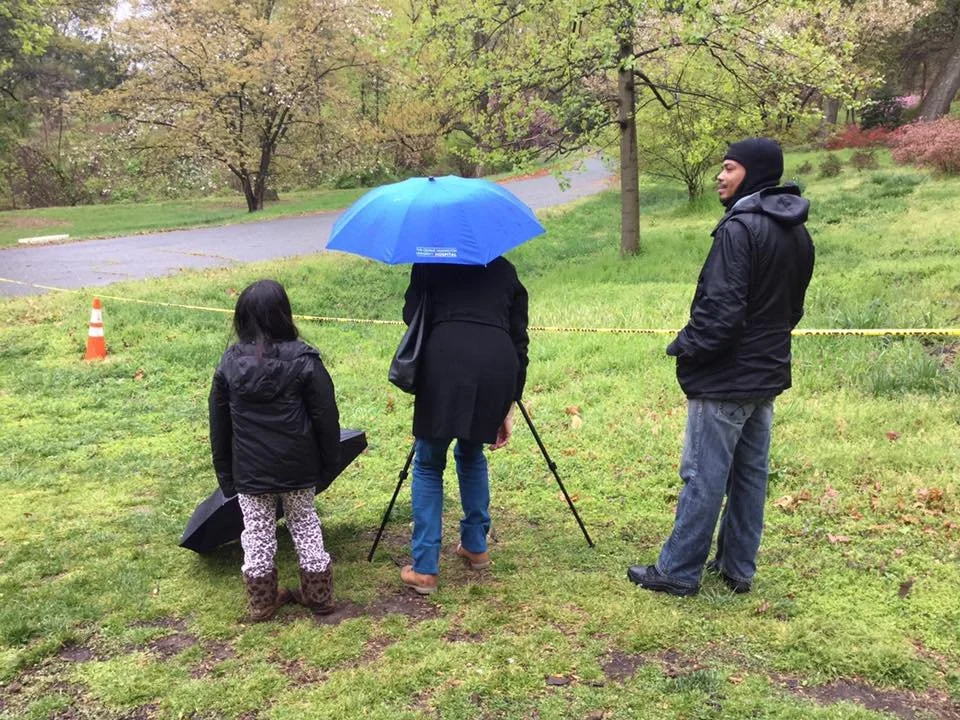
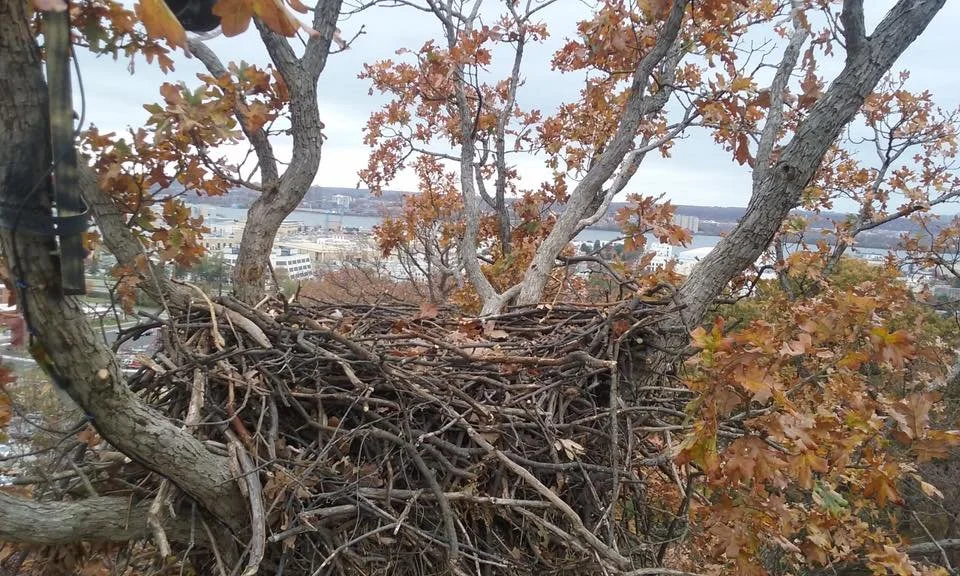
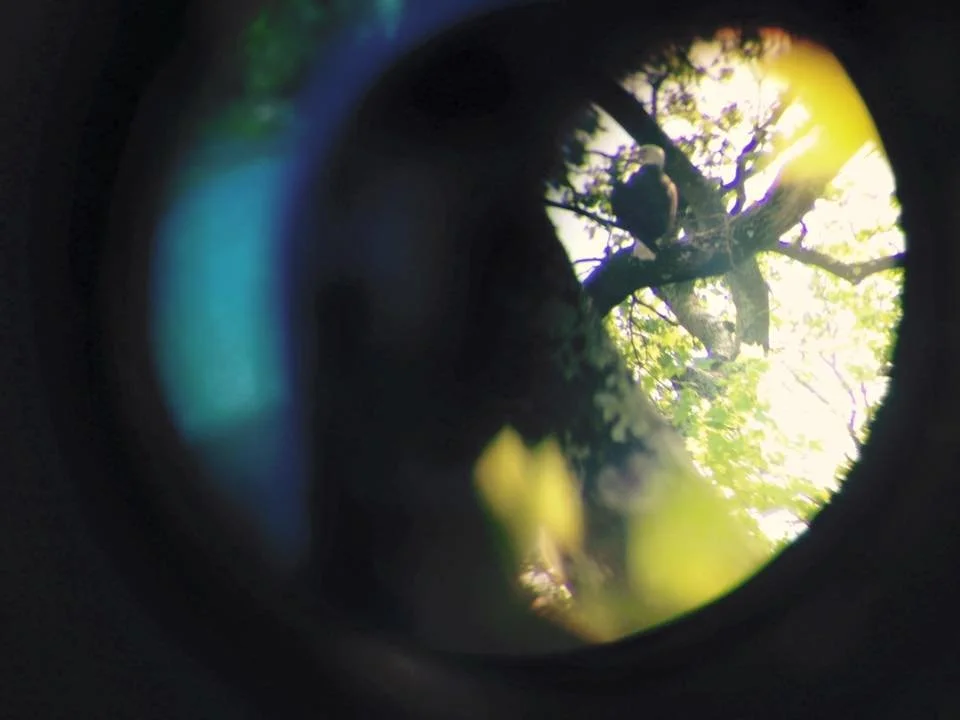
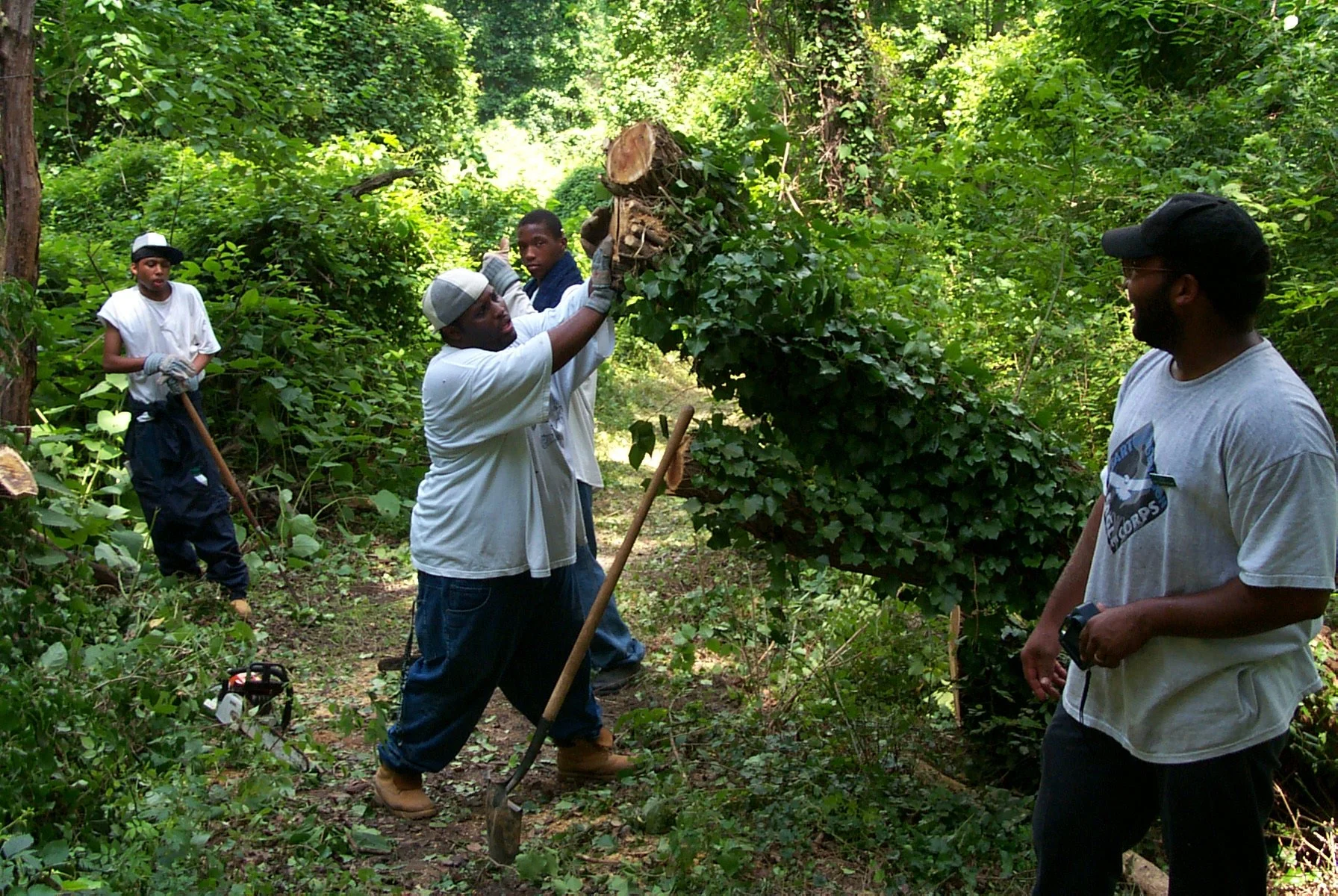
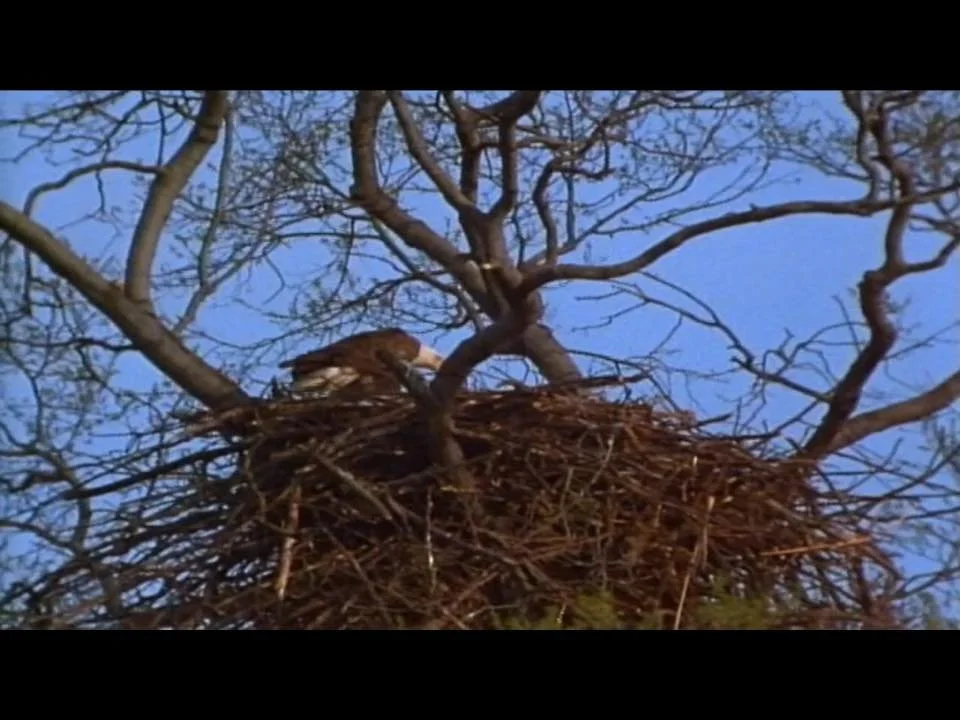
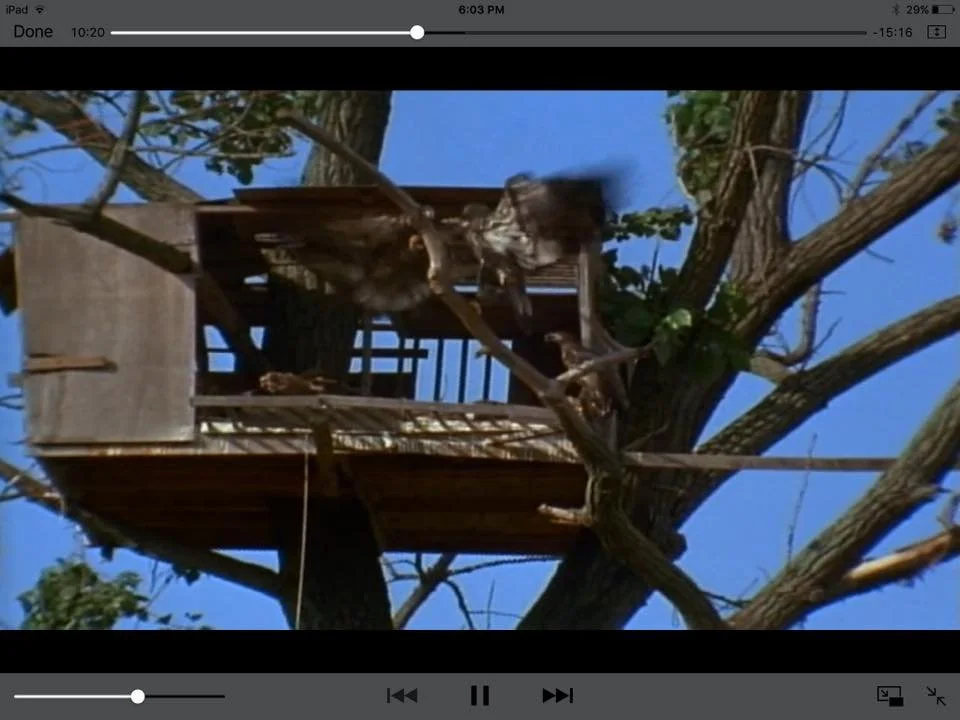
This gallery preserves selected photographs from Eagle Watch activity and Washington-area bald eagle observation. The archive is intentionally uneven; dates, locations, credits, and context are added only when verified.



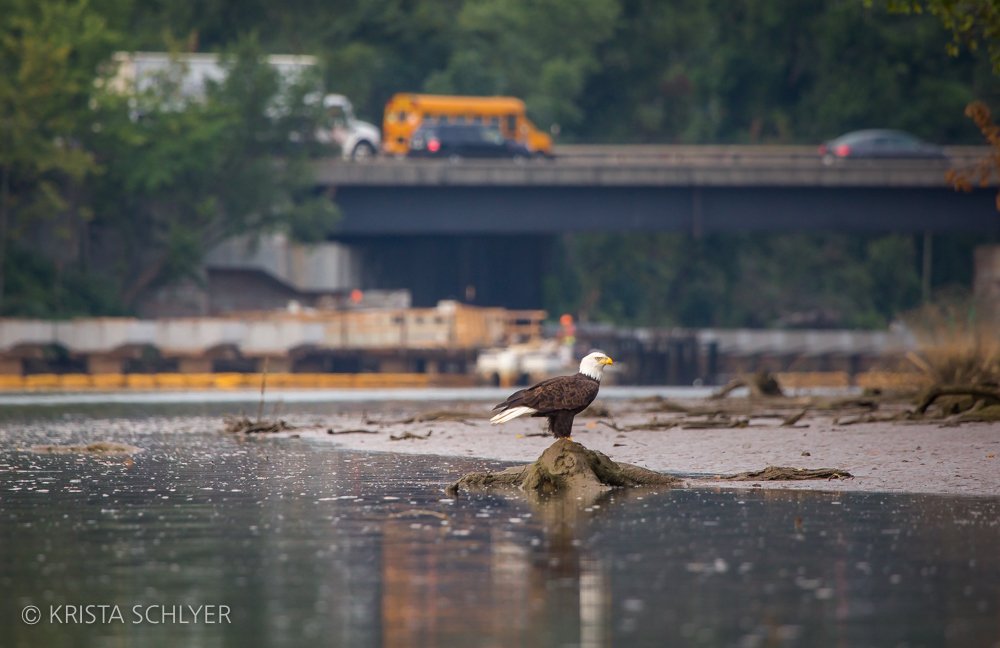
EAGLE WATCH ARCHIVE
Eagle Field Journals
Chapter 07 begins here. Selected field notes from the 2004–2005 urban eagle record are preserved as written. Dates, observations, and place stay together on the page; known date-title discrepancies remain visible as part of the working archive.
Eagle Watch Archive · 2004 Collection
The Diamond Chick
Near the St. Elizabeths property, in the Mellon and Newcomb Streets area of Washington, D.C., Twan Woods documented the Diamond chick and the eagle family at this nest.
These original field notes preserve weather, feeding, nest activity, and the young bird’s development through firsthand observation. Open a page below to read the original entry at full size.
Reading the archive: The original dates and titles remain unchanged, including the panel headed “2005” with an entry dated January 1, 2004. Additional journal years, including 2015 and 2016, will be presented as separate collections as they are added.
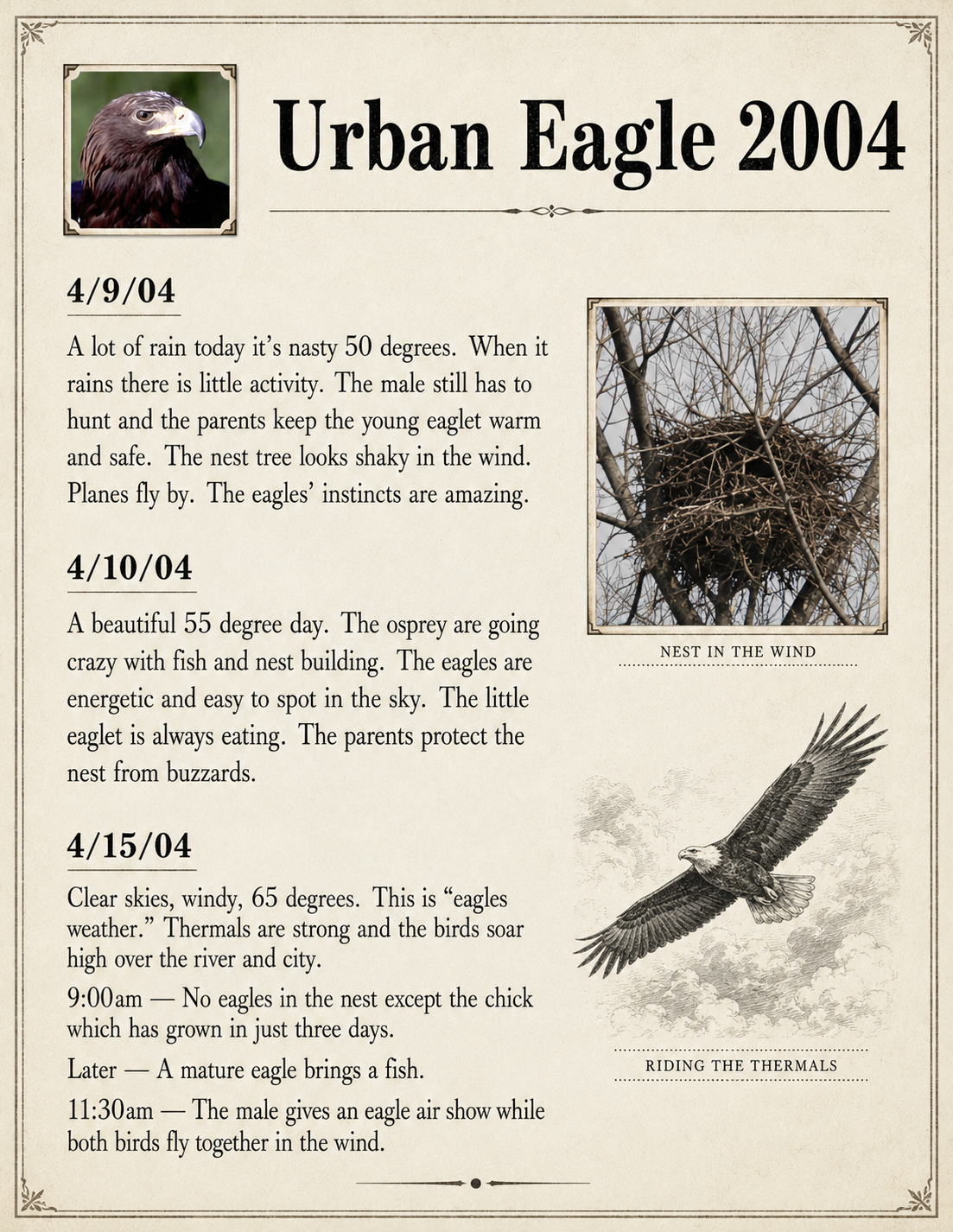
Urban Eagle 2004: field observations from April 9, April 10, and April 15.
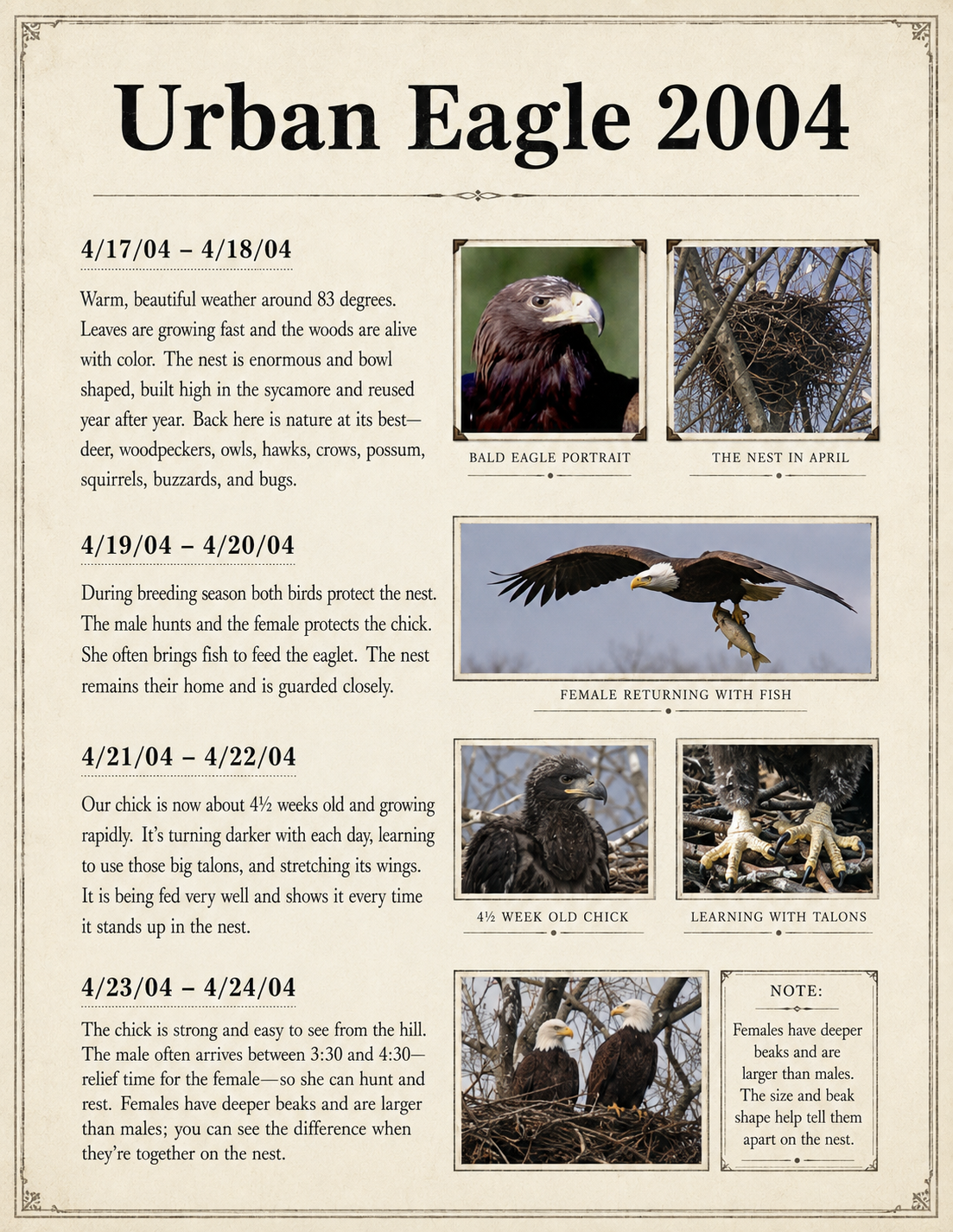
Urban Eagle 2004: field observations from April 17 through April 24.
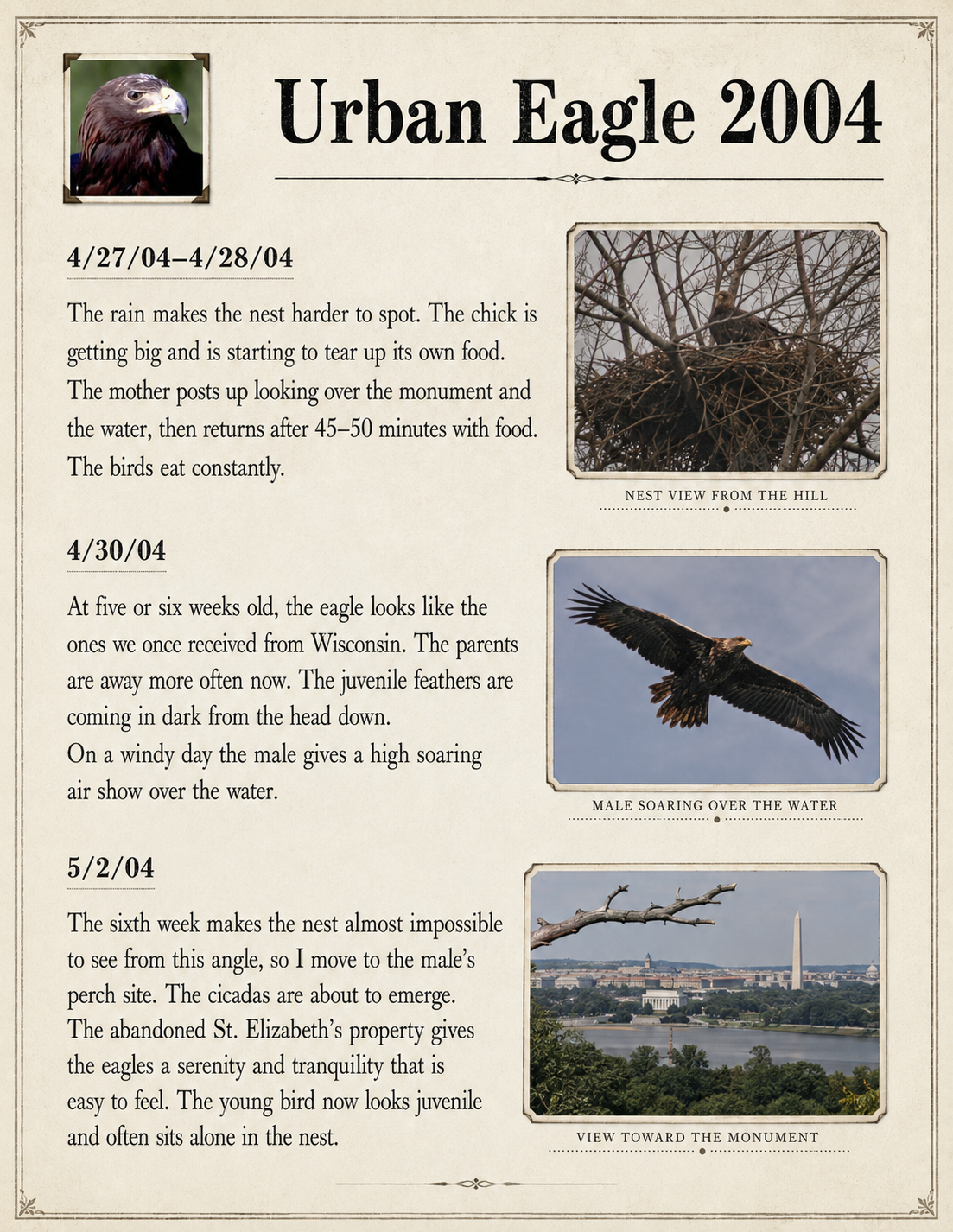
Urban Eagle 2004: field observations from April 27 through May 2.
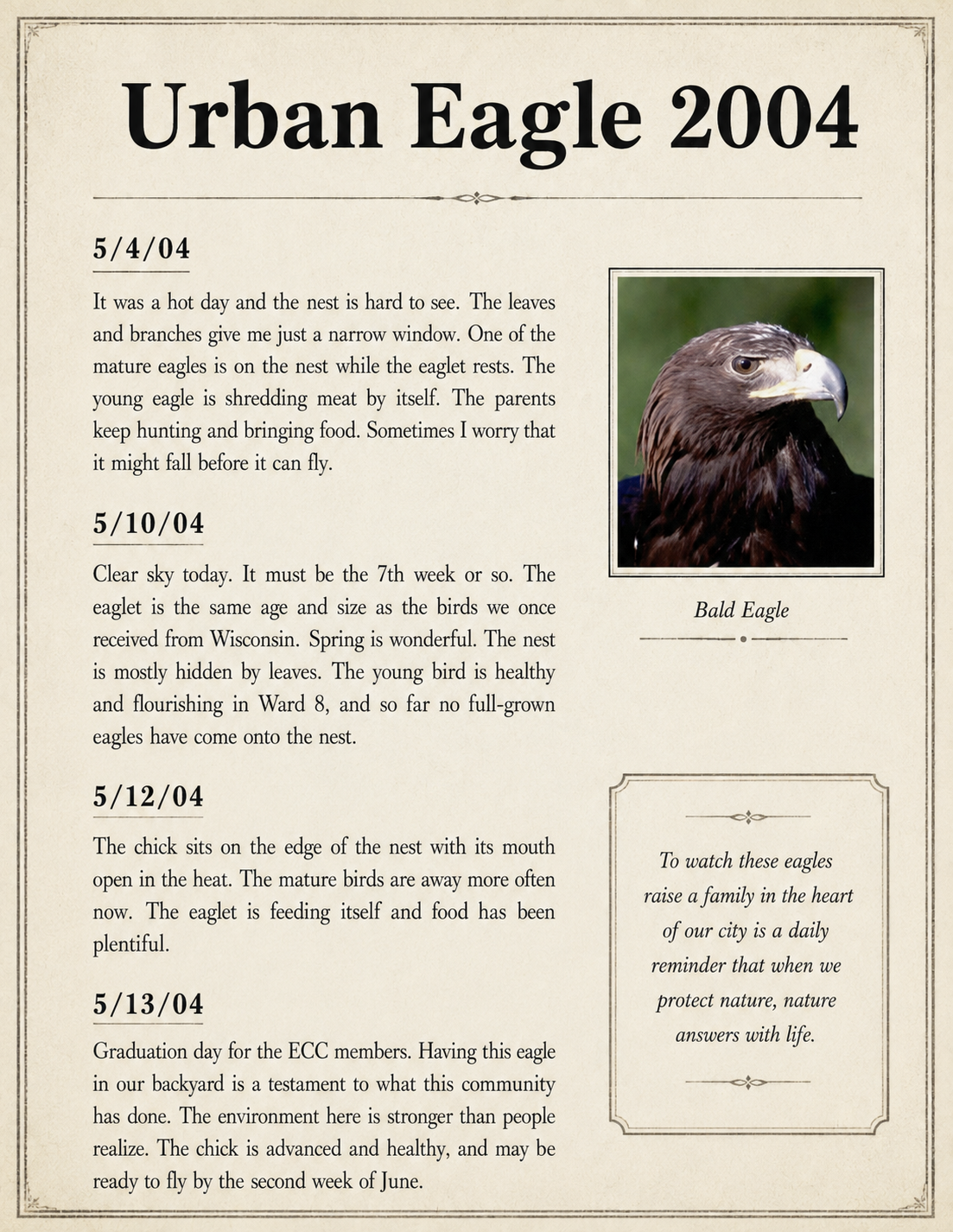
Urban Eagle 2004: field observations from May 4, May 10, May 12, and May 13.
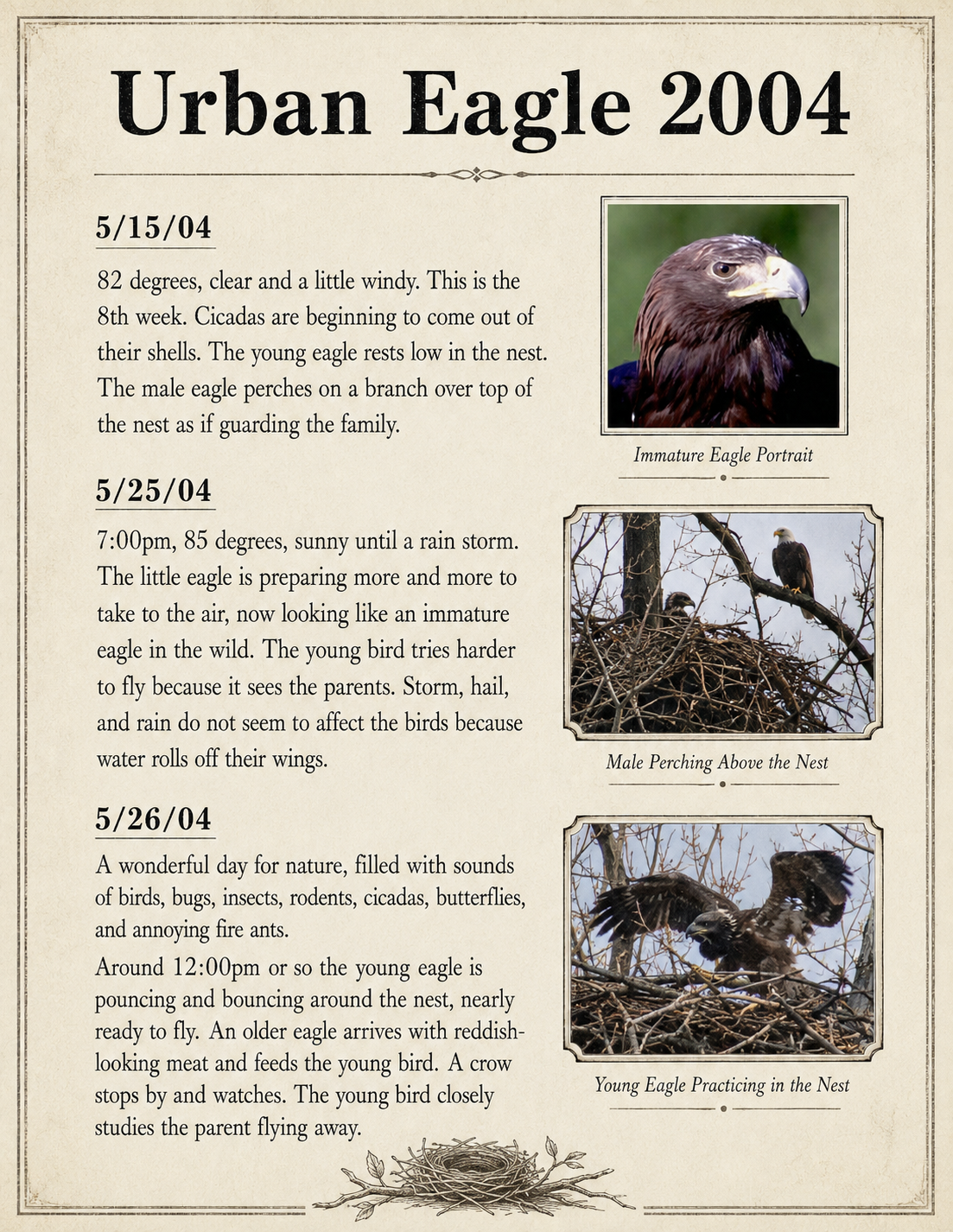
Urban Eagle 2004: field observations from May 15, May 25, and May 26.
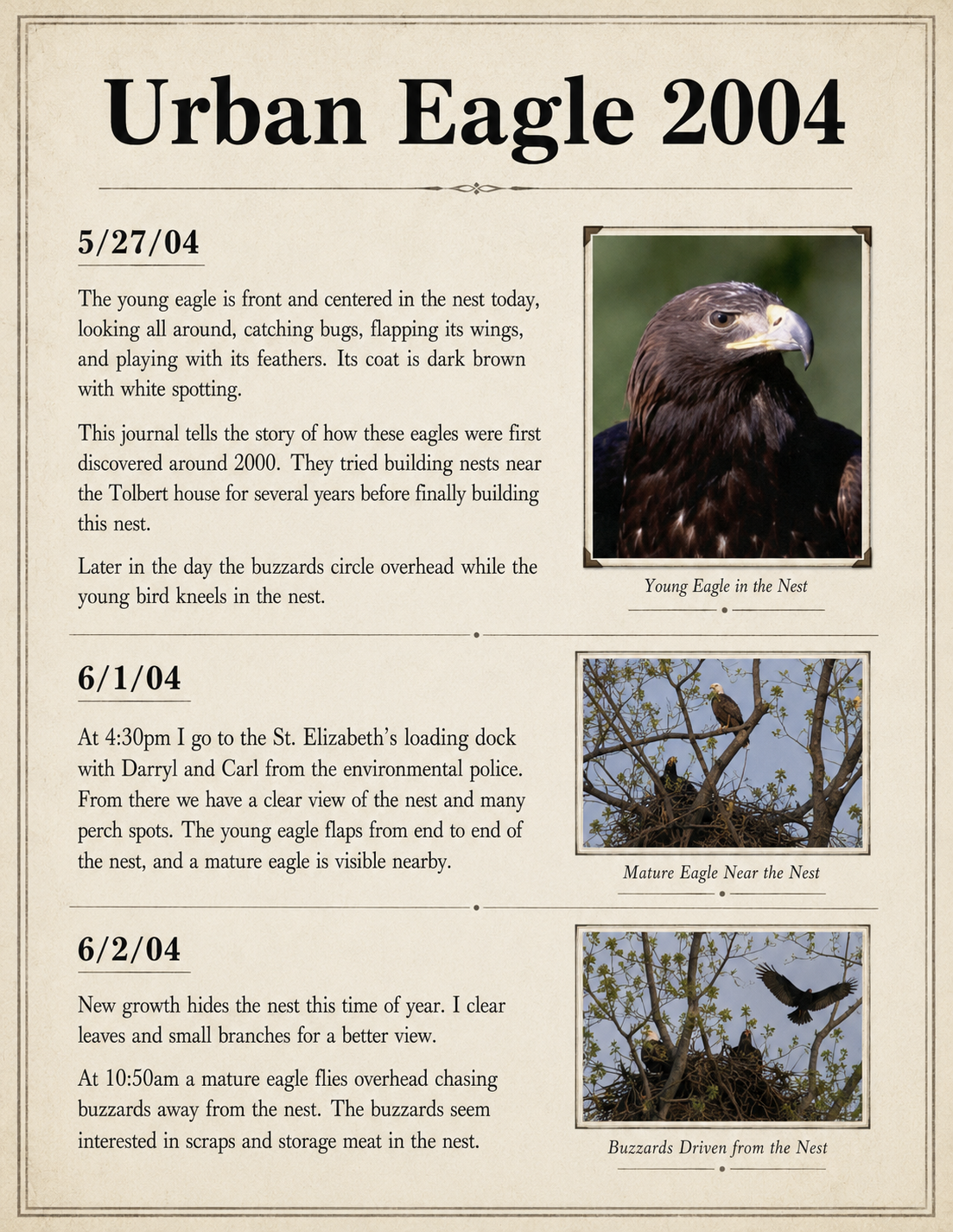
Urban Eagle 2004: field observations from May 27, June 1, and June 2.
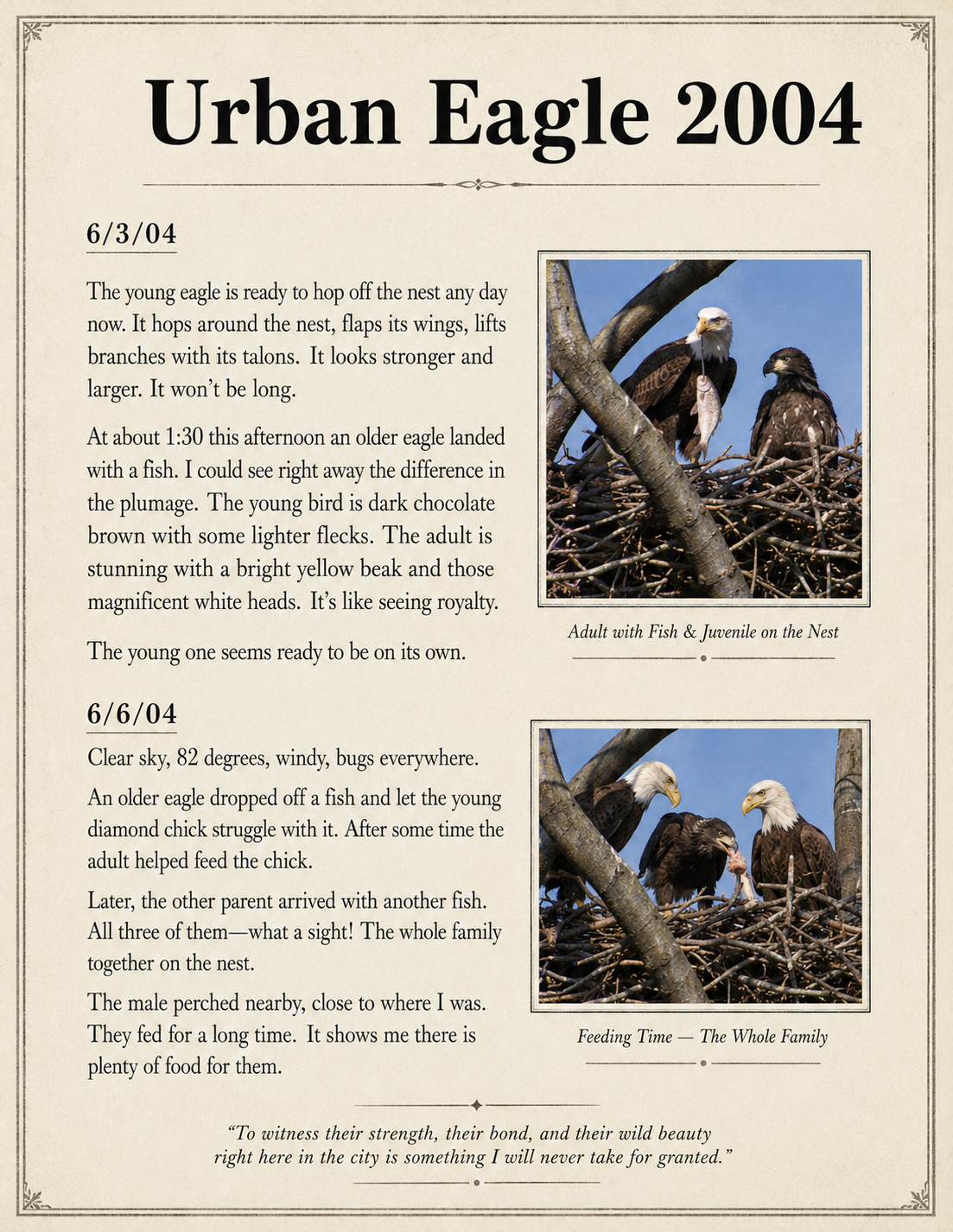
Urban Eagle 2004: field observations from June 3 and June 6.
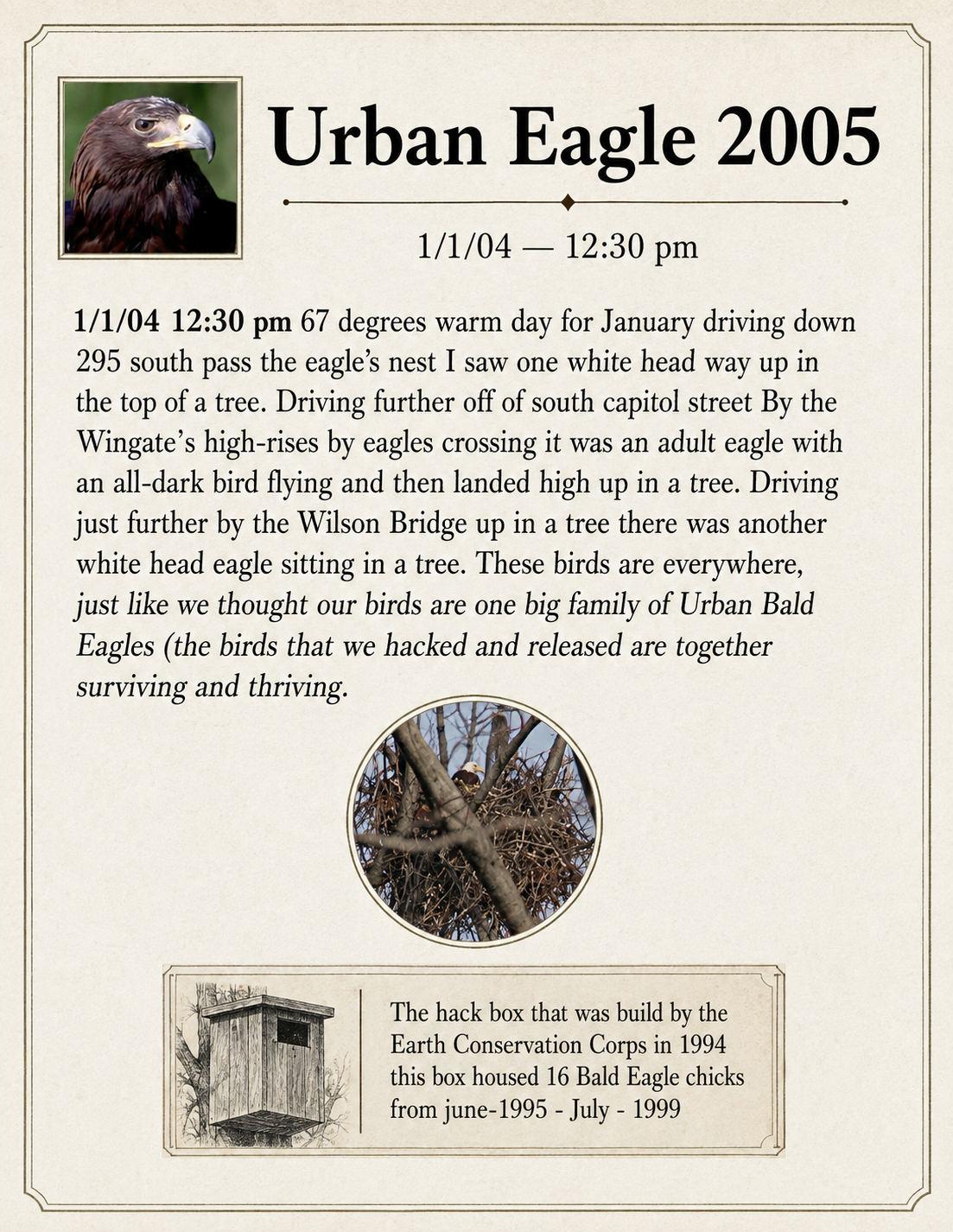
Urban Eagle presentation panel titled 2005 with an entry dated January 1, 2004; the title-date discrepancy is preserved.
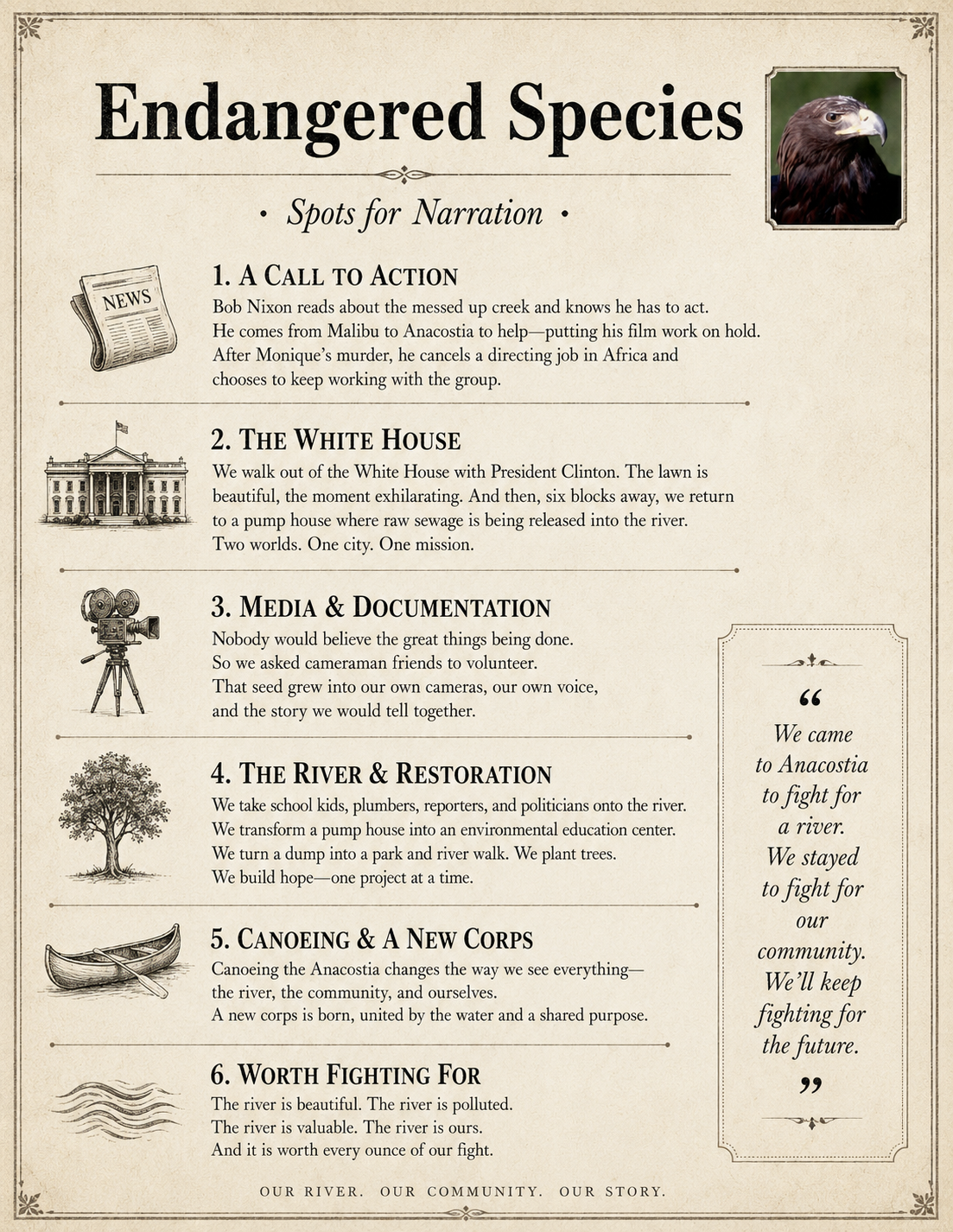
Endangered Species narration outline preserving six planned story topics.
Room 07 · Closing Experience
Keep Watching
The journals end on a page. The work does not. Every careful observation, preserved photograph, verified date, and shared memory can help carry Washington’s eagle story forward.
Observe Responsibly
Keep a respectful distance, avoid disturbance, and protect sensitive nest locations.
Preserve the Record
Record dates, places, identities, context, and credits—and mark clearly what remains unknown.
Carry the Story Forward
Invite young people and the community to learn from the river, preserve its history, and continue the watch.
ARCHIVE PRINCIPLE: The purpose of this museum is not to close the story. It is to protect the record and make the next observation possible.
The river is still writing the story. We are still watching.