
THE NACOTCHTANK PEOPLE
The first recorded chapter of the Anacostia River.
Long before Washington, D.C.—before bridges, monuments, military installations, factories, highways, and restored wetlands—Indigenous communities lived within this river landscape. At the time of European contact, the Nacotchtank were the principal Indigenous people associated with the lower Anacostia and the meeting place of the Anacostia and Potomac rivers.
Their homes, food systems, travel routes, seasonal movements, trade relationships, and knowledge of the land were woven through the river itself. The modern name Anacostia preserves an altered form of their name. Every time the river is named, an Indigenous history is spoken.
A RIVER. A PEOPLE. A BEGINNING.
The story of the Anacostia does not begin with the founding of Washington. It does not begin with John Smith, European maps, tobacco plantations, the Navy Yard, or the federal city.
Human beings lived in the greater Anacostia and Potomac region for thousands of years before European arrival. By the early seventeenth century, the Nacotchtank were an Algonquian-speaking people within a wider Chesapeake world of related communities, alliances, trade routes, and political relationships. Their principal town was an important regional place—not an isolated settlement at the edge of history.
Before there was a capital, there was a river homeland.
A LIVING RIVER
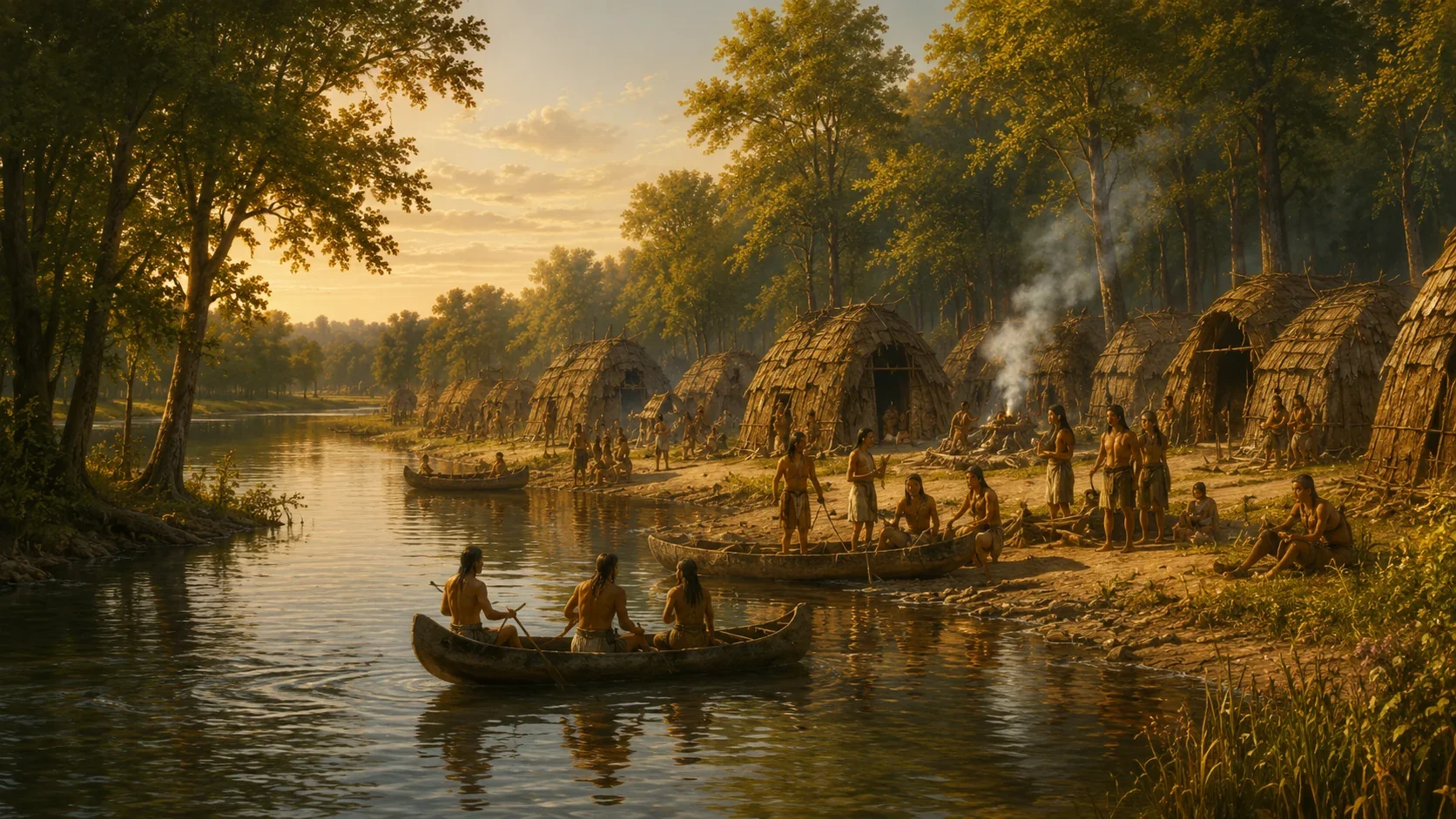
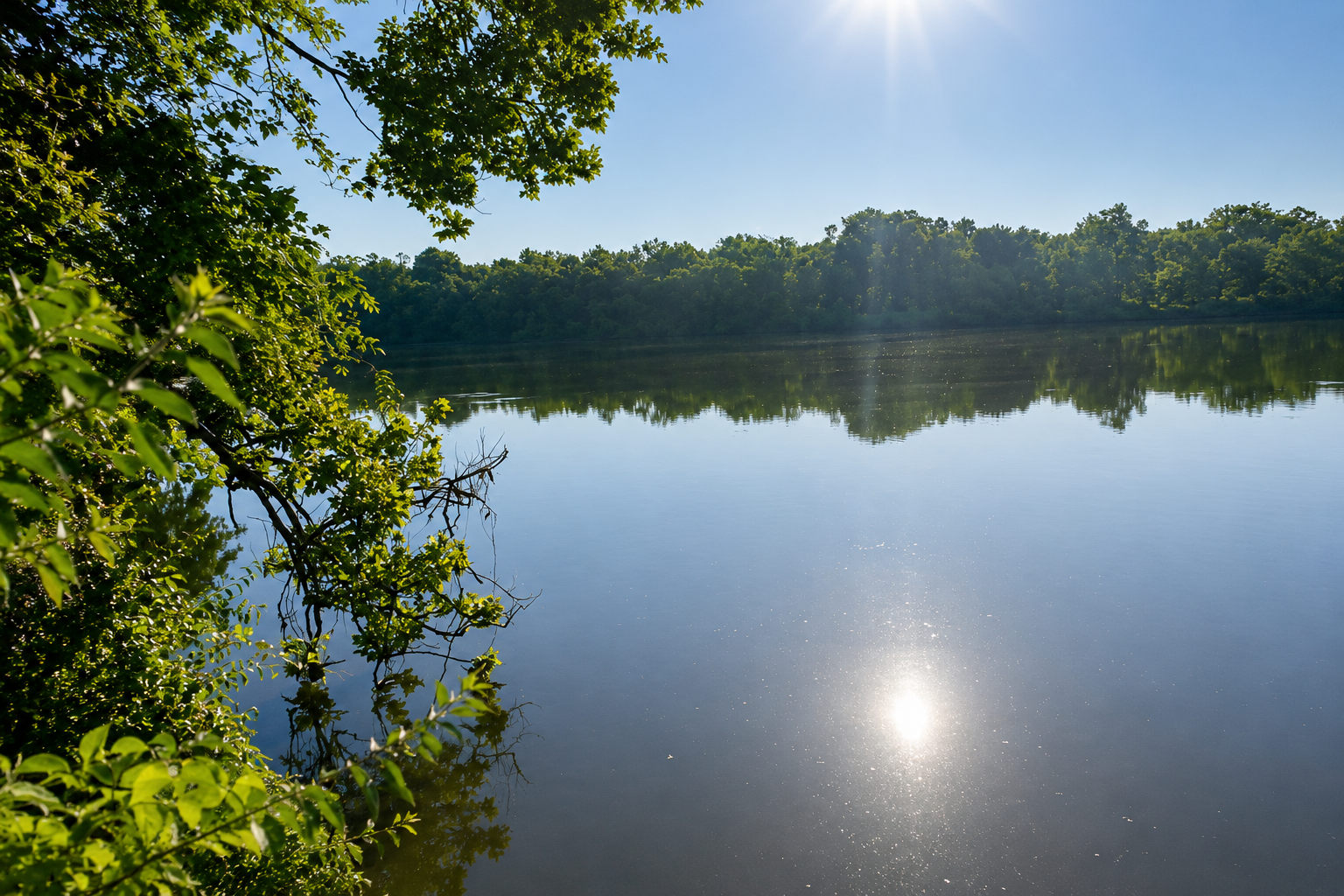
Before large-scale filling, dredging, seawalls, roads, and industrial development transformed the shoreline, the Anacostia was a tidal river of broad marshes, forested banks, tributary streams, mudflats, coves, and productive shallows.
The river and floodplain supported fish, waterfowl, shellfish, turtles, deer, edible plants, timber, fibers, medicines, and fertile soils. Seasonal change shaped when communities planted, harvested, fished, hunted, traveled, and gathered. Main channel, wetlands, upland forest, tributary, spring, animal movement, weather, and settlement formed one connected living system.
This was not a landscape without people. Indigenous communities cultivated land, harvested resources, managed useful plants, created trails, and built settlements through generations of knowledge.
LIFE ALONG THE RIVER
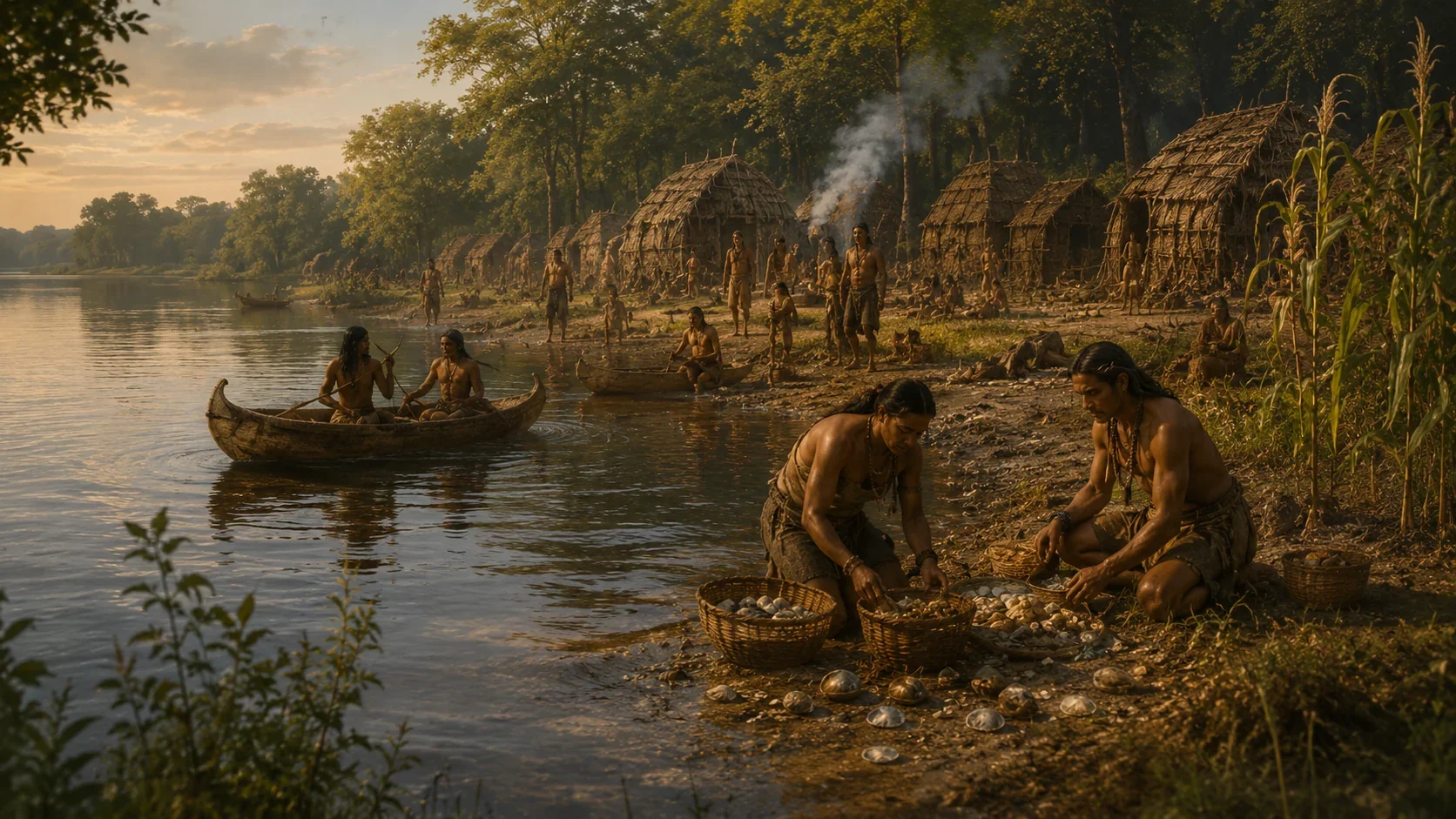
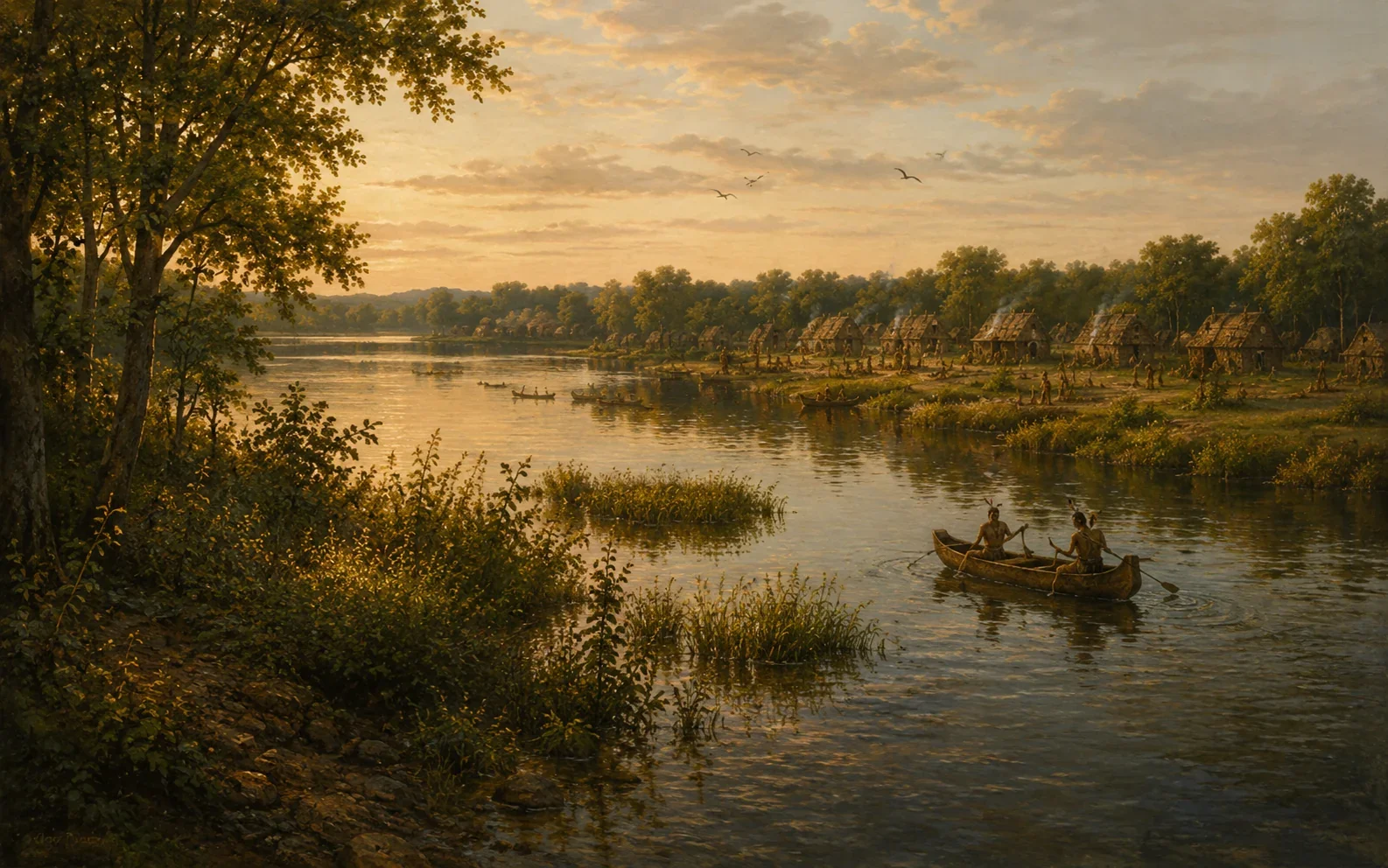
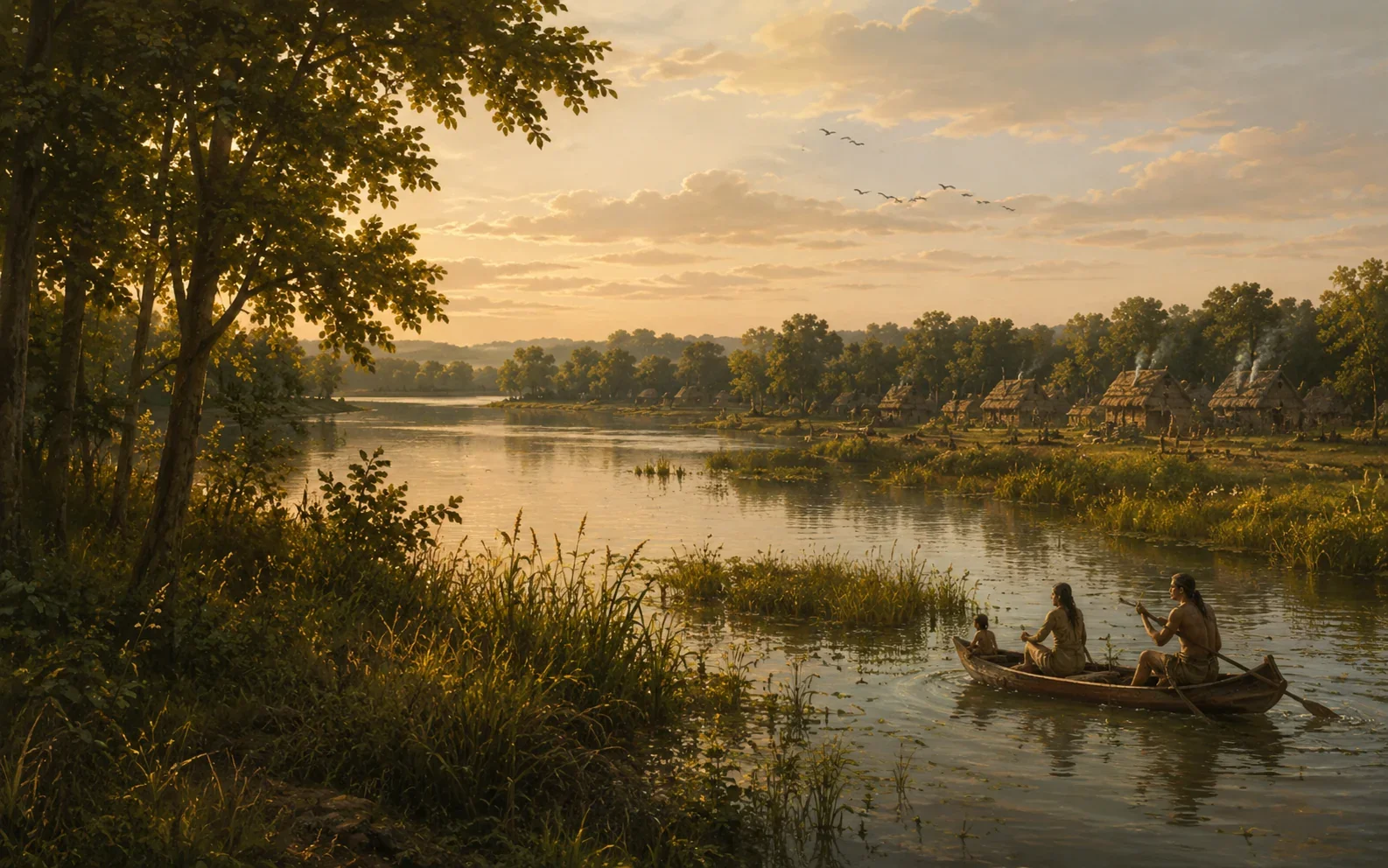
Nacotchtank families combined farming, fishing, hunting, gathering, craft, trade, and community life. Corn, beans, and squash were important crops in the broader Indigenous Chesapeake; fish, waterfowl, deer, turkey, and useful plants added seasonal abundance.
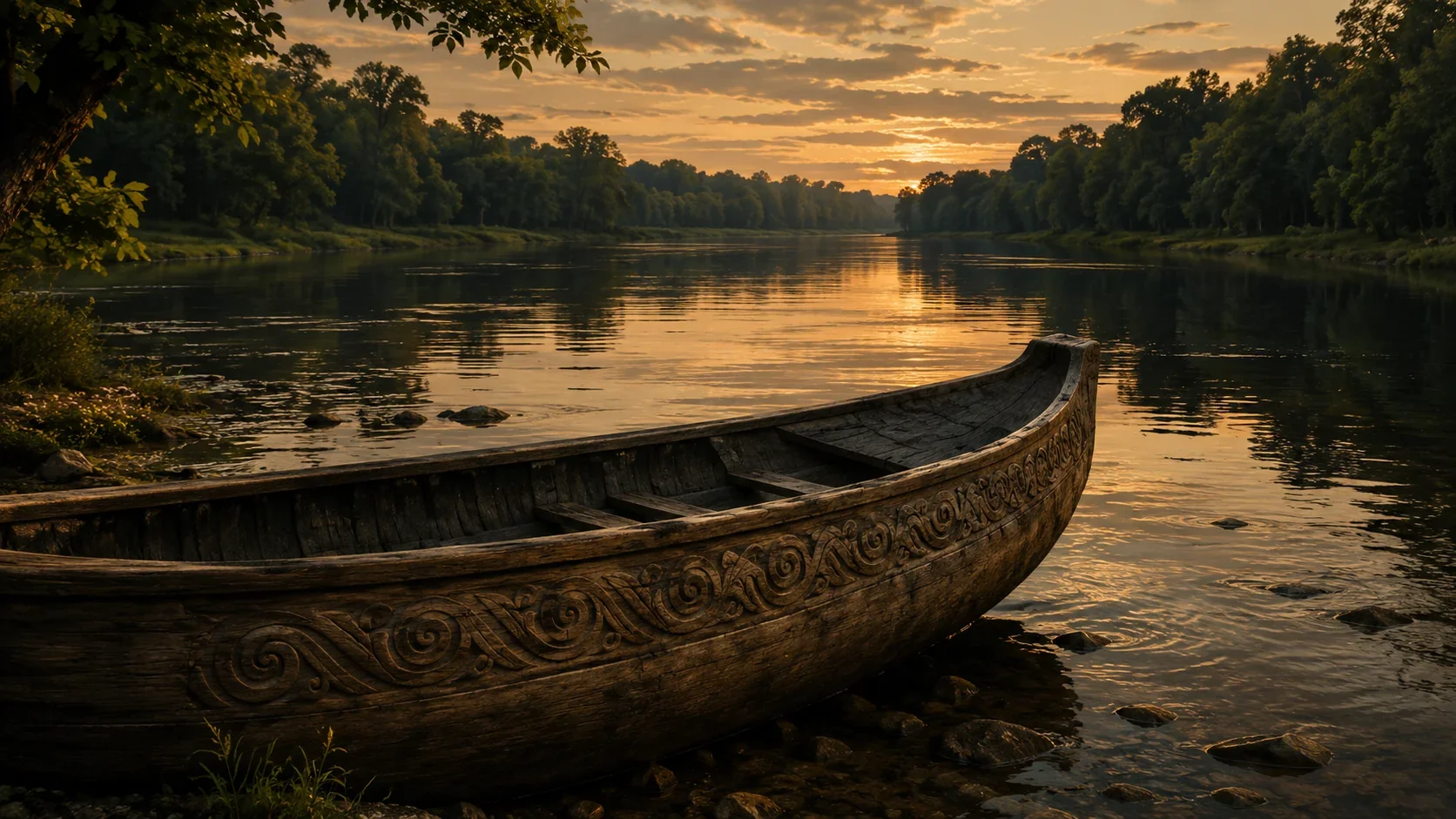
Dugout canoes transformed the river into a roadway, carrying people, food, tools, messages, and trade goods into the Potomac and outward toward the Chesapeake Bay. Homes and tools came from materials held within the landscape. Children learned currents, plants, animals, weather, planting, construction, craft, and community responsibility through observation, practice, story, and relationship.
Archaeology helps reconstruct parts of this life, but the record is incomplete. The scenes on this page are educational interpretations—not surviving portraits of a specific Nacotchtank village or person.
A RIVER OF CONNECTION
The Nacotchtank town occupied a strategically important landscape near major waterways and the transition between tidewater and upland routes. National Park Service histories describe it as the largest of three Native villages in the Washington area and a major trading center.
The Anacostia connected communities rather than separating them. Canoes and footpaths linked the town with the Potomac corridor, Southern Maryland, Northern Virginia, the Chesapeake Bay, and other Indigenous centers. Trade moved objects, but also news, diplomacy, kinship obligations, technologies, stories, and knowledge.
Long before engineered ports and commercial docks, the river already carried travelers, exchange, and political relationships.
PART OF A LARGER CHESAPEAKE WORLD
The Nacotchtank spoke an Algonquian language and lived among other Algonquian-speaking peoples of the Chesapeake region. Historical sources connect them with the wider Conoy or Piscataway political world.
Those relationships cannot be flattened into a single label. Indigenous political life could include alliances, tribute relationships, shifting leadership, local autonomy, intermarriage, and shared defense. The names preserved in colonial records were written by outsiders who often misunderstood Indigenous languages and identities; spellings changed from map to map and writer to writer.
This page uses Nacotchtank as its primary historical form, recognizes related spellings, and acknowledges continuing Piscataway presence in the region today.
1608 — DOCUMENTATION BEGINS, NOT HISTORY
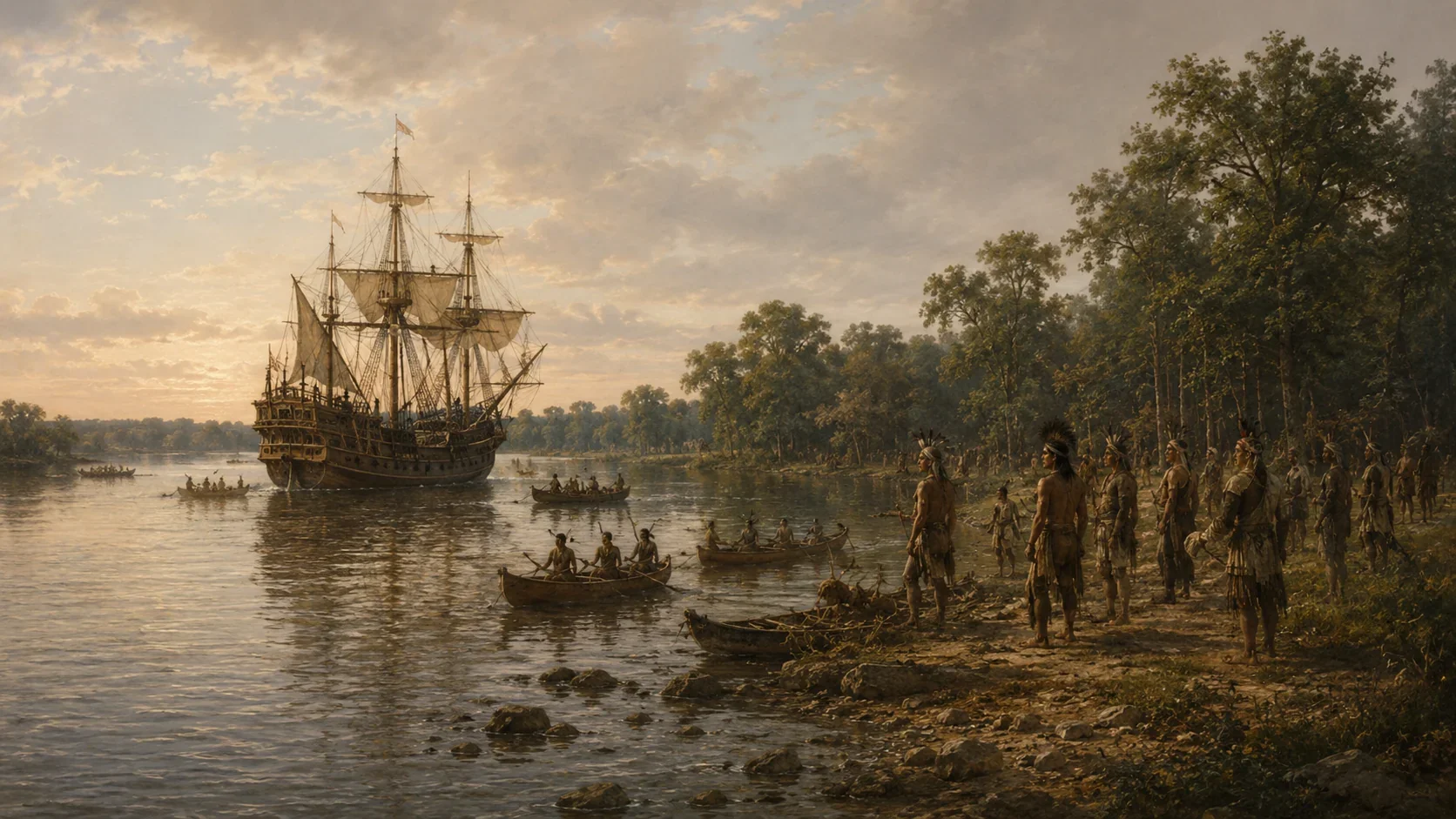
In 1608, English explorer John Smith traveled through the Potomac region and recorded Native settlements during his Chesapeake voyages. His maps and accounts are among the earliest surviving English records to place the Nacotchtank within the geography later claimed by European colonies.
Smith did not discover an empty wilderness. He entered an inhabited, organized, productive landscape with established towns, cultivated ground, transportation routes, and political relationships. The year 1608 marks the beginning of English documentation—not the beginning of the Nacotchtank story.
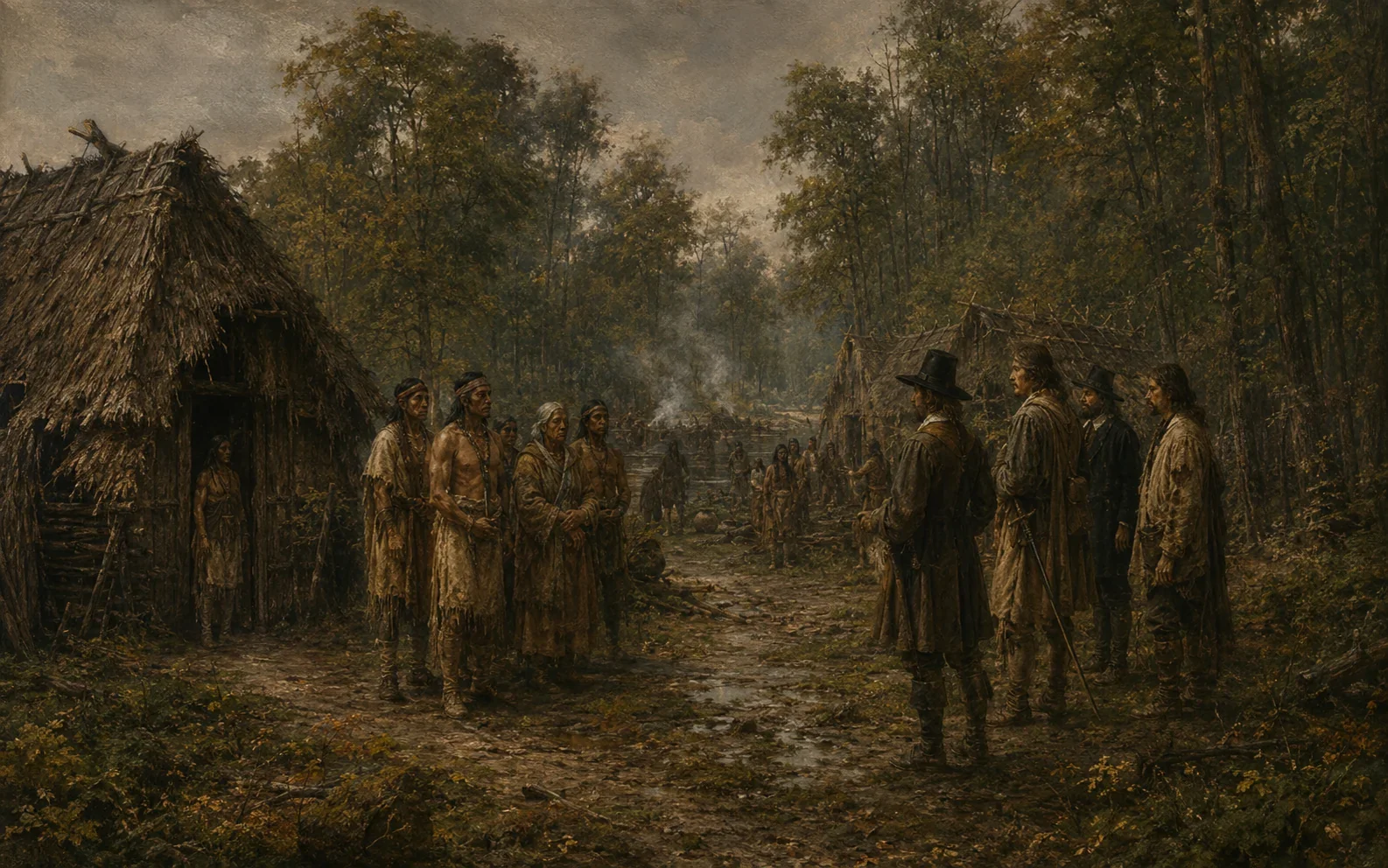
Colonial records often tell these events through European observers. Responsible public history reads those documents critically and never treats the colonizer’s viewpoint as the whole story.
DISPLACEMENT AND SURVIVAL
During the seventeenth century, English colonial expansion transformed the Potomac and Anacostia region. Land was claimed for plantations and settlements, and new political boundaries were imposed over older Indigenous homelands. Disease caused catastrophic loss; warfare, forced movement, unequal trade, colonial law, missionization, and loss of access to hunting, farming, and fishing grounds compounded the damage.
The decline of a town in colonial records does not mean every person disappeared. Families moved, joined relatives, formed new communities, maintained relationships, and continued within larger neighboring Native populations, including Piscataway communities.
Words such as “vanished” and “extinct” erase survival. Colonial disruption changed how communities were recorded, named, and recognized. It did not erase Indigenous ancestry, memory, or presence.
NATIVE PRESENCE DID NOT END
Indigenous history in Washington is often presented as a short prologue that ends before the city begins. That structure is misleading. Native people continued to live in, travel through, work in, and maintain relationships with the Washington region after the seventeenth century. Piscataway communities and other tribal nations remain present across the greater Chesapeake.
The historic Nacotchtank town belongs to an earlier period, but Indigenous peoples and cultures are living realities—not background characters in someone else’s history.
Before public launch, this page should receive cultural and historical review with Piscataway historians, cultural representatives, and Native scholars so documentary evidence, archaeological interpretation, oral tradition, and modern public memory are represented with care.
FROM NACOTCHTANK TO ANACOSTIA
The name “Anacostia” is generally understood as a later European form related to Nacotchtank. Historical spellings include Nacotchtank, Nacotchtanke, Nacostine, Anacostan, Anacostine, and Anna Kostia—evidence of how Indigenous words were heard, written, copied, and altered by European speakers.
Published translations vary. Some sources interpret Nacotchtank as “at the trading town”; other popular accounts offer “people of the river.” Because the language record is fragmentary, no single attractive translation should be presented as unquestioned fact.
What can be said confidently is that the modern river name carries the memory of the Nacotchtank. A name survived while the people behind it were too often forgotten. This page reconnects the word Anacostia with the human history from which it came.
The river before the capital
TheNacotchtank
People
The first recorded chapter of the Anacostia River—and an invitation to follow the evidence, hear living Native voices, and understand the homeland beneath Washington.
A river. A people. A beginning.
Before there was a capital, there was a river homeland.
The story of the Anacostia does not begin with Washington, John Smith, the Navy Yard, or the federal city.
Human communities lived in the greater Anacostia and Potomac region for thousands of years before European arrival. At European contact, the Nacotchtank were the principal Indigenous people associated with the lower Anacostia and its confluence with the Potomac.
The river was food, travel, shelter, trade, knowledge, identity, and life. The modern name “Anacostia” preserves an altered form of their name.
Explore the NPS timelineA living river
Life moved with water and season.
Before large-scale filling, dredging, seawalls, roads, and industry transformed the shoreline, the Anacostia was a tidal river of broad marshes, forested banks, tributary streams, mudflats, coves, and productive shallows.
Nacotchtank families combined farming, fishing, hunting, gathering, craft, trade, and community life. Corn, beans, and squash were important crops in the wider Indigenous Chesapeake; fish, waterfowl, deer, useful plants, timber, fibers, medicines, and fertile soils supported life across the seasons.
Dugout canoes and footpaths carried people, food, tools, messages, news, diplomacy, kinship, stories, and knowledge throughout the Potomac and Chesapeake world.
Read Native Peoples of Washington, D.C.A Chesapeake world
A trading center, not an isolated village.
National Park Service histories identify Nacotchtank as the largest of three Native villages in the Washington area and an important trading center near major waterways and the transition between tidewater and upland routes.
The Nacotchtank spoke an Algonquian language and lived within a wider network of Chesapeake communities. Historical relationships with the Conoy and Piscataway political world require careful treatment: alliances, tribute, autonomy, intermarriage, and identity changed over time, while colonial writers often misunderstood the people and languages they recorded.
Explore Indigenous nations of the Chesapeake1608
Documentation begins. History does not.
In 1608, English explorer John Smith traveled through the Potomac region and recorded Native settlements during his Chesapeake voyages. His map and accounts are among the earliest surviving English records to place the Nacotchtank within the geography later claimed by European colonies.
Smith did not discover an empty wilderness. He entered an inhabited, organized, productive landscape with established towns, cultivated ground, transportation routes, and political relationships.
Displacement and survival
A town’s disappearance from colonial records is not a people’s extinction.
Seventeenth-century colonial expansion brought catastrophic disease, warfare, unequal trade, land seizure, forced movement, colonial law, missionization, and loss of access to hunting, farming, and fishing grounds.
Families moved, joined relatives, formed new communities, maintained relationships, and continued within neighboring Native populations. Colonial disruption changed how people were recorded, named, and recognized. It did not erase Indigenous ancestry, memory, or presence.
Words such as “vanished” and “extinct” flatten survival into absence. Responsible history follows people beyond the last colonial reference to a town.
Read the NPS Piscataway cultural landscape study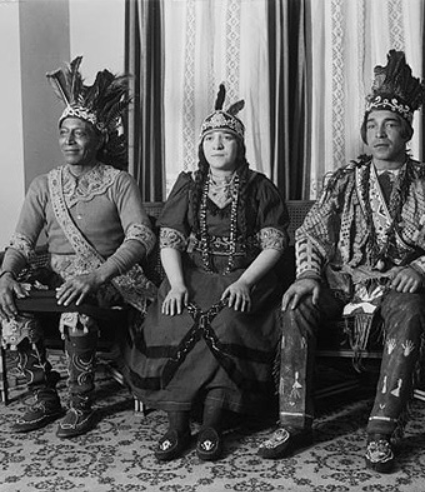
Native presence did not end
Living people. Living nations. Living memory.
Indigenous history in Washington is too often presented as a prologue that ends before the city begins. Native people continued to live in, travel through, work in, and maintain relationships with the Washington region.
Piscataway communities and other tribal nations remain present across the greater Chesapeake. The historic Nacotchtank town belongs to an earlier period, but Indigenous peoples and cultures are living realities—not background characters in someone else’s history.
Visit the Piscataway Conoy TribeVisit the Piscataway Indian Nation
From Nacotchtank to Anacostia
A name survived through altered spellings.
The name “Anacostia” is generally understood as a later European form related to Nacotchtank. Historical documents contain multiple spellings—evidence of Indigenous words being heard, written, copied, and altered by outsiders.
Published translations vary. Because the surviving language record is fragmentary, this page does not present one attractive translation as unquestioned fact.
What can be said confidently is that the modern river name carries the memory of the Nacotchtank. Every use of “Anacostia” is an opportunity to reconnect the place with the people behind its name.
Explore the Smithsonian’s Anacostia StoryFollow the evidence
Do not stop at this page. Enter the record.
These starting points let readers compare federal history, museum scholarship, tribal voices, archaeology, and regional public records. Each opens in a new tab.
Anacostia Park History & Timeline
Nacotchtank history, the federal capital, marsh alteration, and park development.
National Park ServiceNative Peoples of Washington, D.C.
Village location, foodways, trade, and the regional crossroads.
National Park ServiceThe Indigenous Capital
Nacotchtank history, colonial impact, and continuing Native presence.
SmithsonianDr. Gabrielle Tayac Oral History
A Native historian discusses the Nacotchtank and the Anacostia area.
Tribal historyPiscataway Conoy History
A living community’s account of homeland, survival, and continuity.
Maryland State ArchivesIndigenous Peoples of Maryland
Official state reference to Maryland’s recognized Native communities.
The river remembers
Our first chapter.
Our shared river.
Restoring the Anacostia means restoring habitat, access, memory, truth, and respect together.
The Nacotchtank People
THE RIVER REMEMBERS
Twan’s Eagle Watch begins with a modern witness looking through a scope at bald eagles returning to Washington. But the deeper story begins long before that witness, before the Earth Conservation Corps, and before the environmental damage that restoration now attempts to repair.
The return of eagles shows that a damaged river can regain habitat and life. The Nacotchtank story shows that restoration must also include memory, truth, and respect for the people whose homeland existed before the capital city. Soil, shoreline, archaeology, maps, oral history, wildlife records, photographs, film, and community memory are all parts of the river’s archive.
When we remember the people who knew this river first, we understand the river more deeply. The Anacostia connects Indigenous history, African American history, neighborhood life, wildlife recovery, environmental justice, and the future of Washington. Our first chapter is part of our shared river—and our shared responsibility.