
EARTH CONSERVATION CORPS LEGACY
A Legacy of Service, Restoration, and Hope
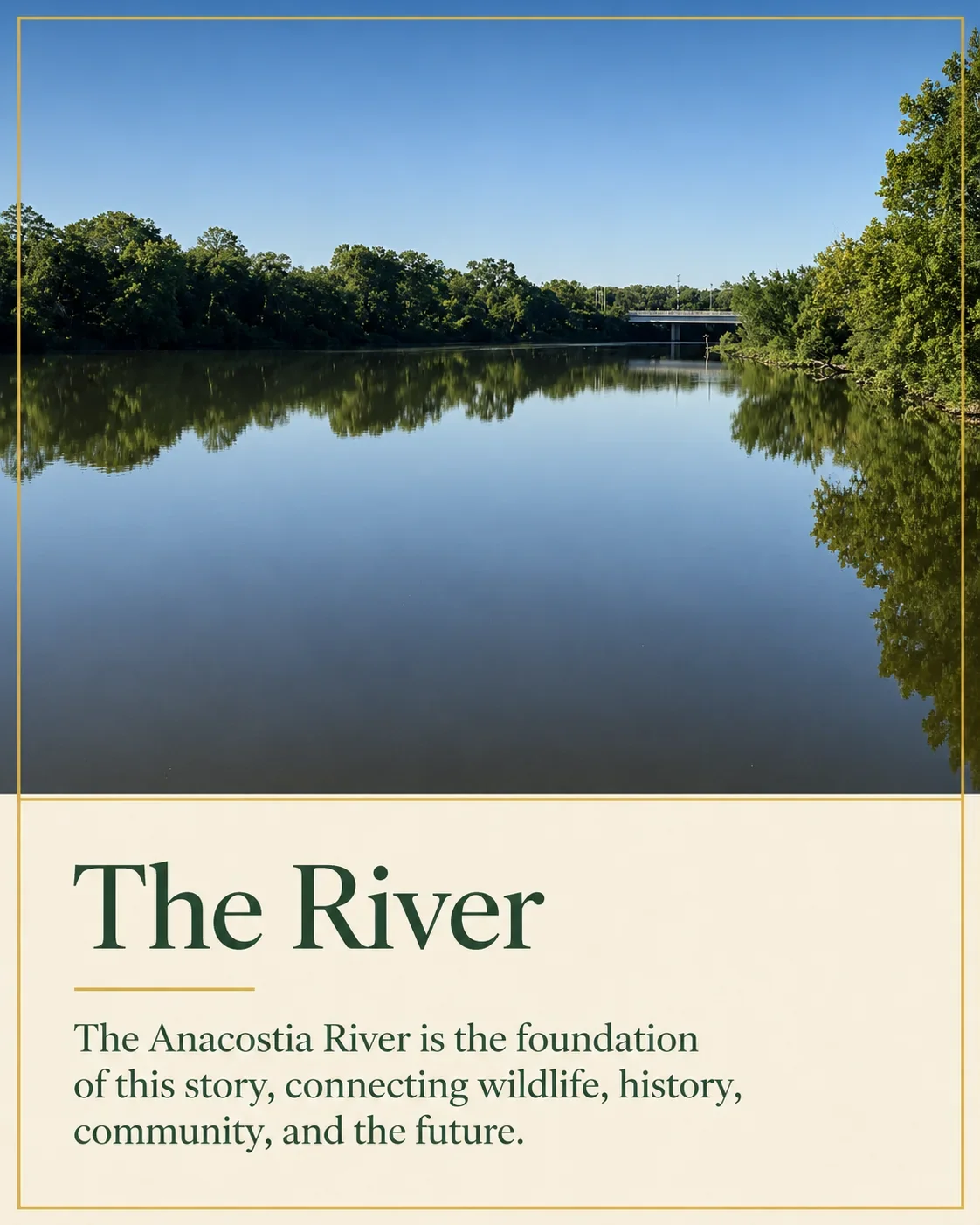
The Earth Conservation Corps brought together young people, environmental leaders, educators, volunteers, and community partners around a shared mission: restoring the Anacostia River and creating opportunities through service.
Building a Legacy
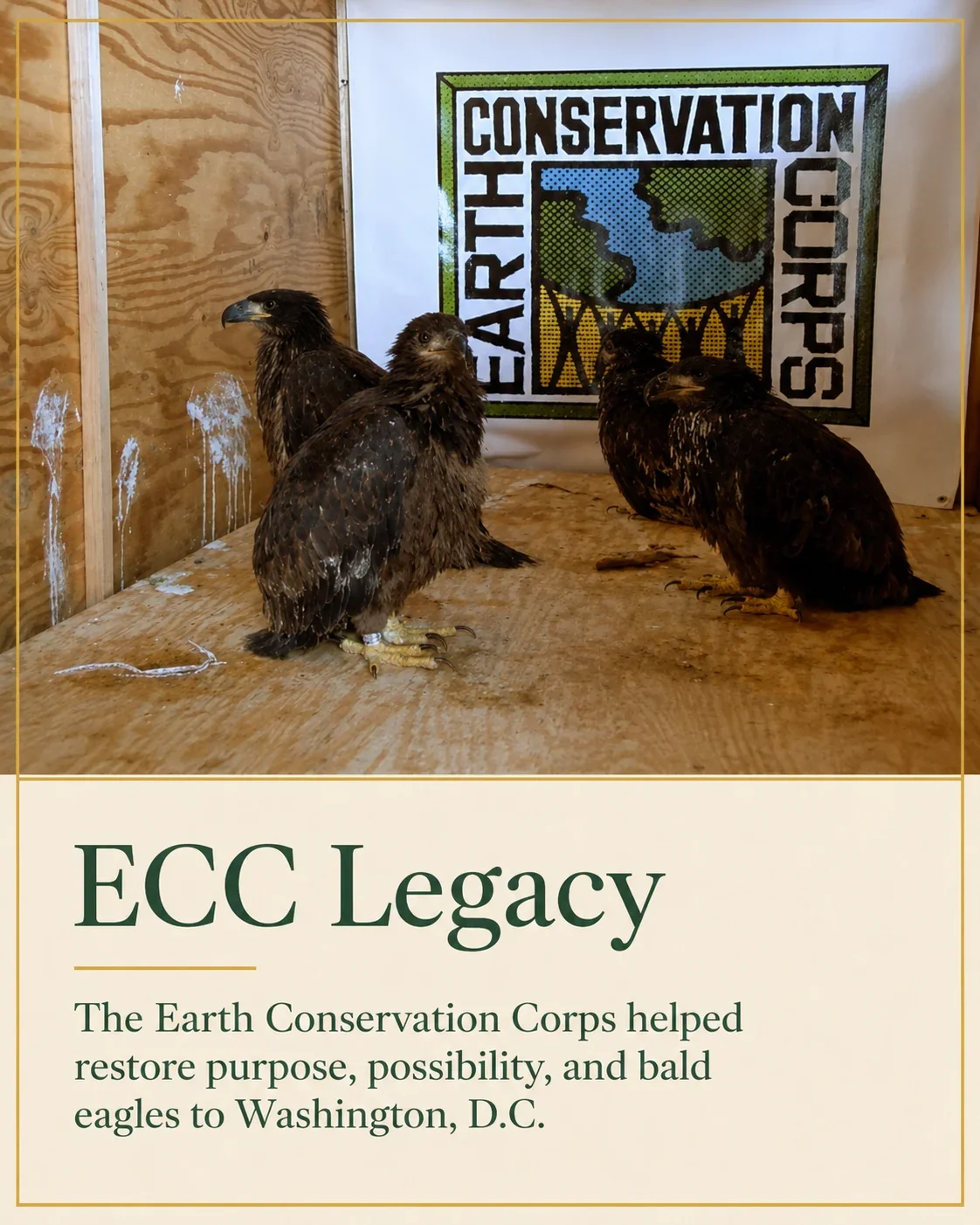
The legacy includes habitat restoration, environmental education, youth leadership, public service, and the successful return of the bald eagle to Washington, DC.
The People Behind the Work
This page recognizes the dedication of Corps members, staff, volunteers, scientists, educators, and community supporters whose collective efforts made restoration possible.
Connection to Twan's Eagle Watch Foundation
Twan's Eagle Watch Foundation is an independent organization. It preserves and documents this history through photographs, video, interviews, field notes, and educational storytelling so the legacy remains accessible to future generations.
Lessons for the Future
The Earth Conservation Corps story demonstrates that long-term commitment, community partnerships, and environmental stewardship can create lasting change.
Explore River History • Visit Eagle Watch • Discover TAM Academy • Support the Mission
The legacy of restoration belongs to everyone who helped heal the river and inspired future generations to continue the work.
Twan's Eagle Watch Foundation · Curated Historical Exhibition
ECC Legacy
Beaverdam Creek. The Eagles. What the History Inspired.
A focused collection centered on the chapters that intersect directly with Twan Woods' experience, relationships, documentation, and later environmental storytelling.
About This Collection
A curated chapter—not a complete institutional history.
ECC Legacy is a curated historical section of Twan's Eagle Watch Foundation.
It is not intended to serve as the complete institutional history or official archive of Earth Conservation Corps. This collection focuses on Beaverdam Creek, youth conservation, bald-eagle restoration, osprey work, archival media, and the chapters that intersect directly with Twan Woods' experience, relationships, documentation, and later environmental storytelling.
01 · Beaverdam Creek
Beaverdam Creek: The First Proof
A difficult responsibility. Public skepticism. Persistent work. Visible change.
Before the eagle-restoration chapter, the original young pioneers took on demanding environmental work that many people did not believe they could accomplish. The cleanup involved tires, oversized debris, difficult physical conditions, and sustained responsibility. Its meaning is larger than any single number: young people were trusted with a hard job, met skepticism, and kept working until the change could be seen.
Explore Before the Eagles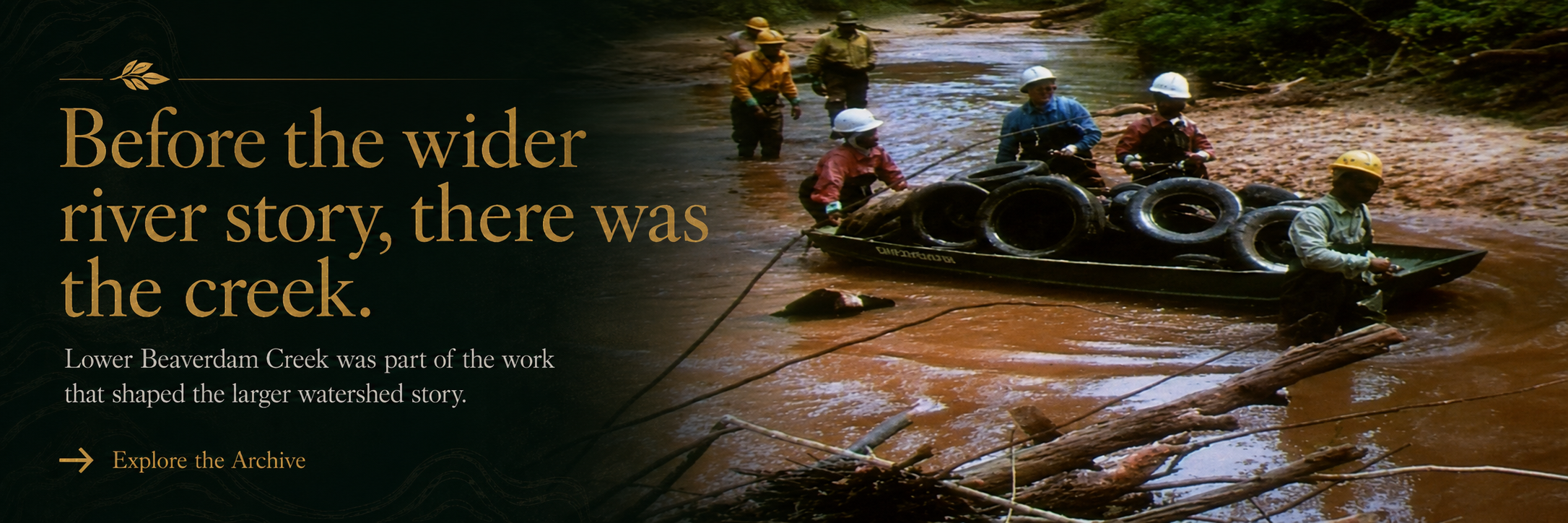
02 · The Doorway
Beaverdam Was the Doorway
Twan was not yet a corpsmember during the Beaverdam Creek work.
He was nevertheless close to people participating in it and heard about the work through relationships and band connections. Seeing what that group of young people was capable of became a doorway into the Corps environment and, later, into the eagle project.
03 · Eagle restoration
The Eagles: The Next Impossible Job
The same pattern returned: difficult responsibility, skepticism, persistence, and success.
People had doubted that young people could complete major creek-restoration work. Later, people questioned whether young inner-city corpsmembers could be entrusted with bald eagles and the responsibility surrounding their care, observation, feeding, monitoring, and release. Earth Conservation Corps states that it secured endangered-species permits in 1994 and that Corpsmembers reintroduced 16 juvenile bald eagles between 1995 and 1999. Contemporary reporting identifies Twan Woods as a participant in the project.
Explore ECC's Historical RecordSelected Documentary Evidence
D.C. Members Fix Rural Trout Stream
Six Corpsmembers spent 10 days repairing structures along a creek reserved for fly fishing. The source scan is currently hosted by Earth Conservation Corps.
View Historical SourceVolunteers Participate in Anacostia River Clean-Up
A May 19 report documents 10 volunteers, 4,000 tires, and tons of oversized trash removed from the Anacostia. The source scan is currently hosted by Earth Conservation Corps.
View Historical SourceGoing Where Eagles Dare
Gerald Mizejewski's July 19 report documents ECC caretakers, four young bald eagles, and Twan Woods' participation at age 19. The source scan is currently hosted by Earth Conservation Corps.
View Historical SourceOn Wings and a Prayer
D'Vera Cohn reports on four Wisconsin eaglets, the National Arboretum hacking box, and ECC caretakers and Corpsmembers.
Read Washington Post ReportOn the River: Restoring Lives
John W. Fountain documents ECC's intertwined environmental and youth mission and names Corpsmembers carrying out the work.
Read Washington Post ReportEndangered in Anacostia
Robert H. Nixon identifies Twan Woods as narrator and LaShauntae Moore and Darius Phillips as camera operators for the Endangered Species pilot.
Read Washington Post Article04 · Watching, Feeding, Recording
The Daily Responsibility
The project was built through repeated observation and care.
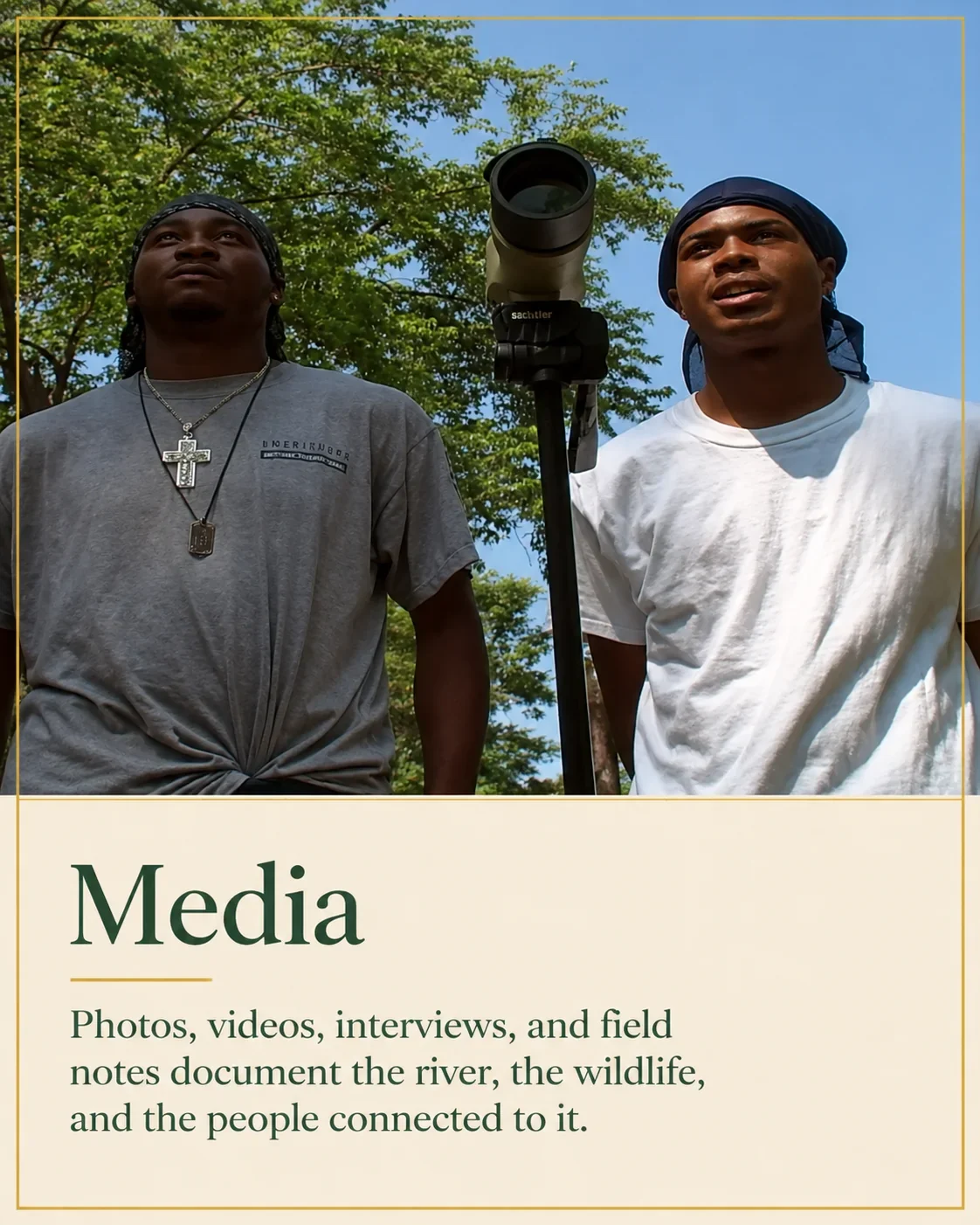
The lived archive centers the actual work: watching wildlife behavior, monitoring, feeding, maintaining field notes and journals, documenting what happened, working outdoors, and carrying daily responsibility. Transportation and other field activity will be described only where the record verifies it. Original journals, footage, recordings, and photographs will retain dates, credits, locations, and source labels wherever those details are confirmed.
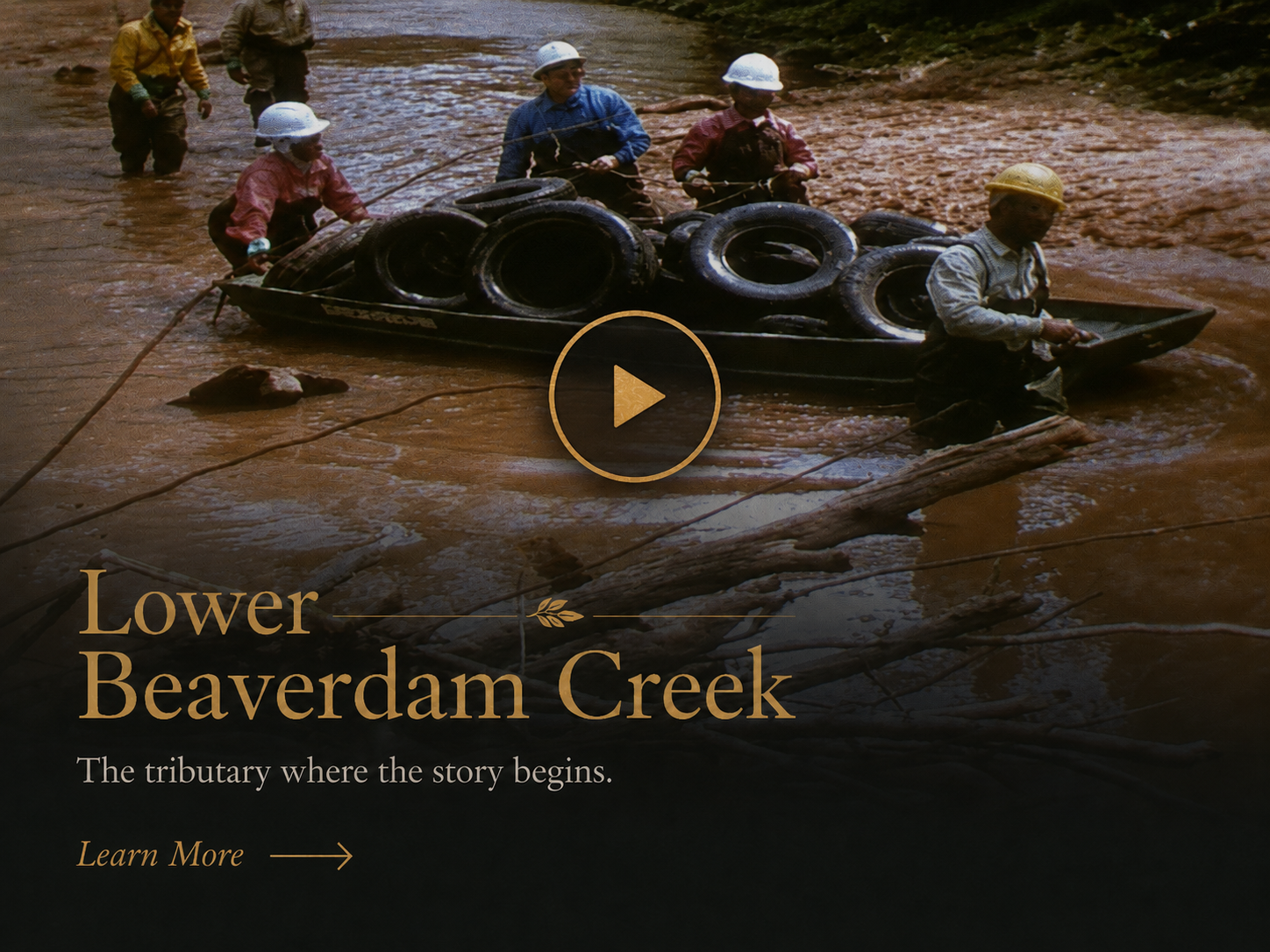
Lower Beaverdam Creek
Archive chapter connecting early Corps conservation service with the restoration story that preceded the eagle project.
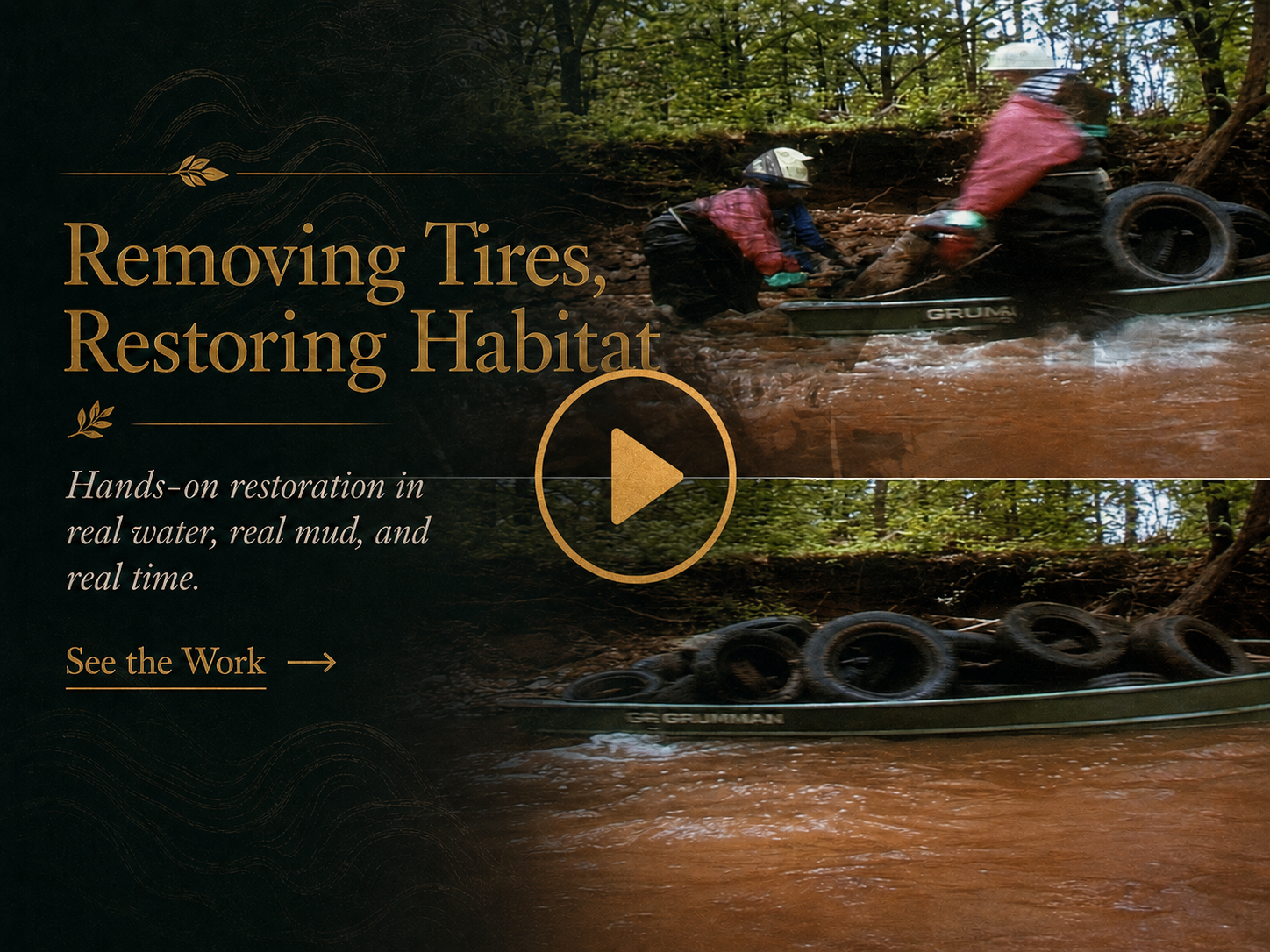
Removing Tires, Restoring Habitat
Archive chapter grounded in the documented cleanup record and the responsibility placed on the young people doing the work.
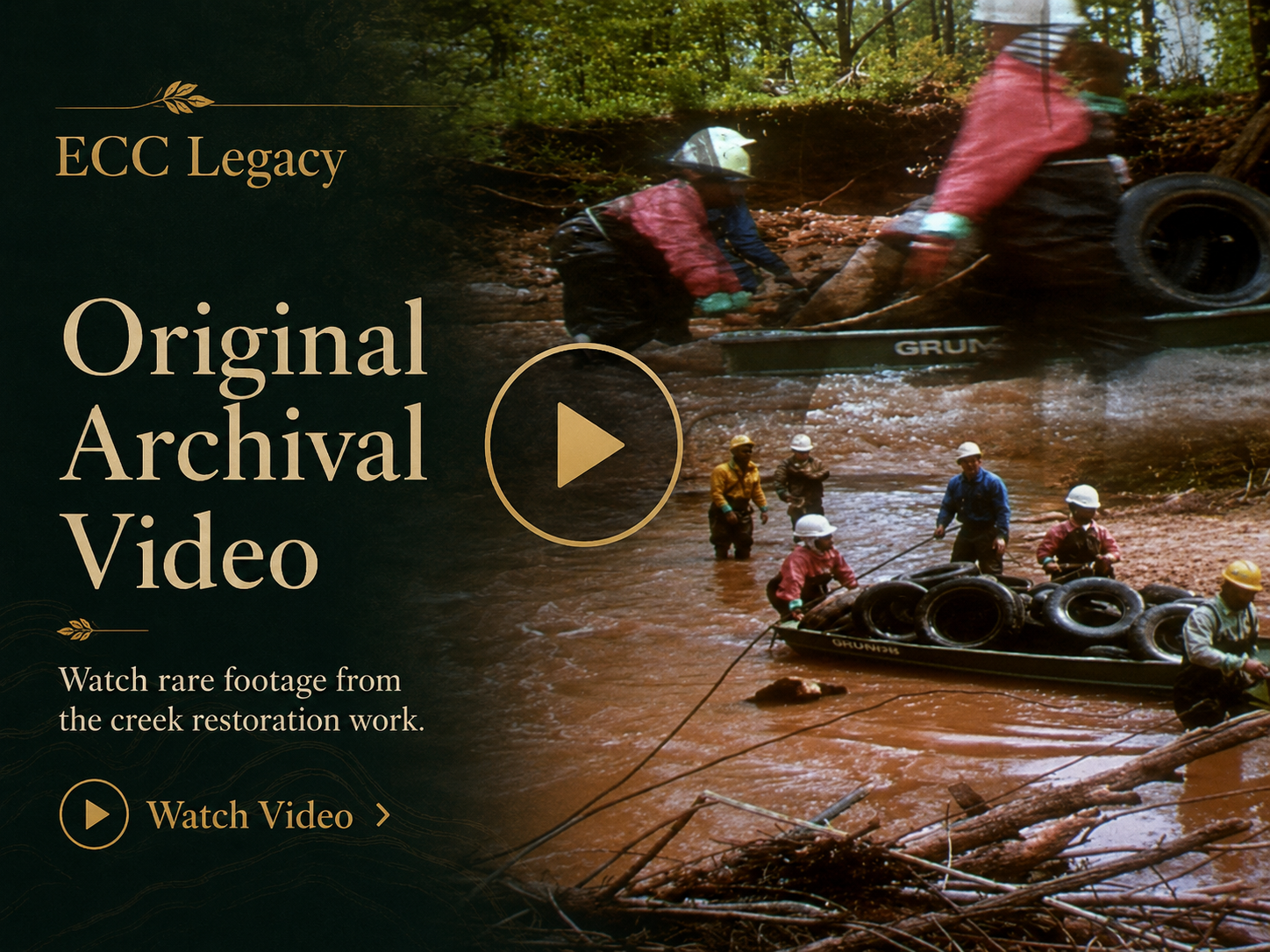
ECC Legacy Archive
Private archival presentation connecting ECC history, preserved media, and the Endangered Species documentary record. Public excerpts retain original context and approved credits.
Open Archival Video05 · Release and Return
Release and Return
The releases carried environmental meaning far beyond a single day.
Historical footage and reporting document the care and release of juvenile bald eagles in Washington. Later nesting belongs to a wider restoration record and will be presented only with appropriate contemporary reporting or government sources. The meaning of return connects wildlife recovery with the river, the city, and the young people entrusted with the work.
The Releases
Earth Conservation Corps states that Corpsmembers reintroduced 16 juvenile bald eagles between 1995 and 1999. Individual release details remain tied to their specific source records.
The Return
Later Washington nesting is a separate chapter in the larger bald-eagle recovery story. It is not presented as one uninterrupted event or attributed to one organization alone.
People Behind the Work
Contemporary reporting identifies Corpsmembers, caretakers, supervisors, scientists, journalists, and media workers. Names and roles remain source-based rather than treated as a complete roster.
06 · Osprey and continuity
Osprey and the Continuing Wildlife Thread
River. Wildlife. Young people. Observation. Media.
Osprey belongs here only as a bridge between earlier conservation history and later wildlife documentation. The point is continuity: young people learning to observe wildlife, understand behavior, work near the river, and preserve what they saw through photographs, video, field notes, and documentary storytelling.
07 · A lived archive
Memory, Evidence, and Context
Some of this history was researched later. Some of it was lived.
Photographs, videotapes, journals, recordings, field documentation, and personal memory preserved across decades provide another layer of evidence alongside contemporary journalism and institutional records. First-person recollection is clearly distinguished from independently verified dates, names, quotations, locations, and institutional facts.
The image is evidence. The context is what allows the evidence to speak.
08 · What This History Inspired
What This History Inspired
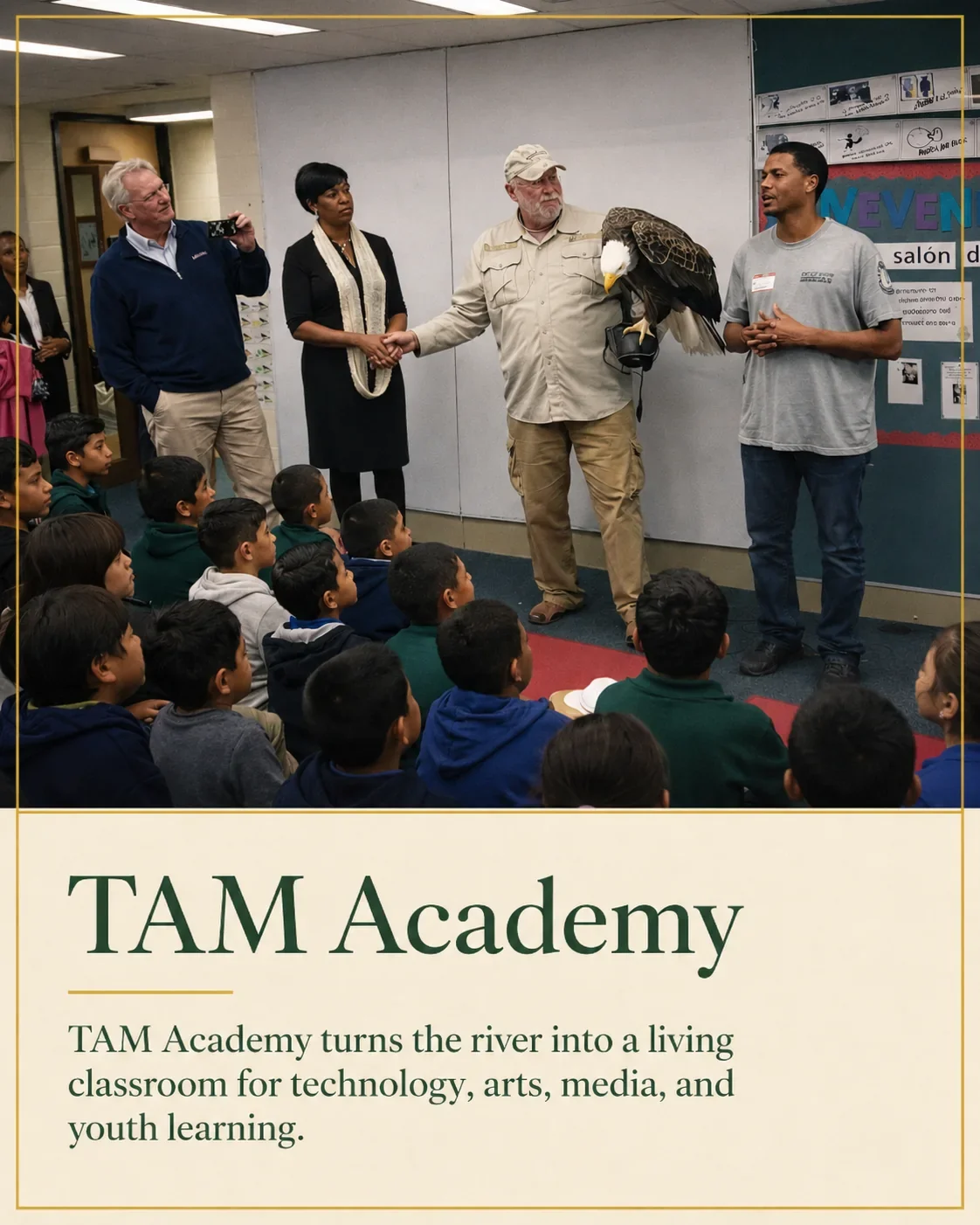
The experiences documented here helped shape later work through Twan's Eagle Watch Foundation: wildlife documentation, youth media, environmental education, documentary storytelling, archival preservation, community history, TAM Academy, River Watch, and Community Stories. Twan's Eagle Watch is an independent organization and is not presented as Earth Conservation Corps's institutional successor.
Sources and Acknowledgments
Transparent Credit. Clear Provenance.
Earth Conservation Corps created and operated the historical conservation programs documented in portions of this archive. Twan's Eagle Watch Foundation independently preserves and interprets selected chapters through firsthand memory, archival media, documentary records, and later environmental storytelling.
HISTORICAL PRESS identifies contemporary journalism. TEWF ARCHIVE identifies material currently preserved or presented by Twan's Eagle Watch Foundation. ECC ARCHIVE identifies institutional material created, preserved, or currently hosted by Earth Conservation Corps.
- Smithsonian Anacostia Community Museum — Earth Conservation Corps
- Earth Conservation Corps — Who We Are
- Earth Conservation Corps — How We Saved Our River
- Washingtonian — later historical reporting on the crew and eagle restoration
Return to Current Work
History informs the work. It does not replace the present.
The experiences documented here helped shape later wildlife observation, youth media, environmental education, archival preservation, and community storytelling through Twan's Eagle Watch Foundation.